Today, many digital technologies in IT can operate with minimal human intervention. However, while they boost productivity and drive growth, any failure or unpredictable behavior can pose a significant challenge for the ITOps and DevOps teams. So, effective IT incident management helps minimize the impact of incidents on business operations and ensures that systems are restored as quickly as possible.
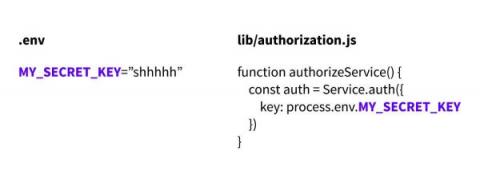
Environment variables are the best way to store variables like API keys, secrets and databases URLs. Until today you had to create and update Env. Variable manually for each app even if they are inside the same project and share the same credentials. Today, we are launching Project-level Variables: Project-level Variables are environment variables created at the project-level. You can create and consume an unlimited number of environment variable directly from your project main page.
Designing SLOs is a key SRE competency which requires careful consideration and a consistent approach to implementation.
Here’s everything you need to know about Megaport’s latest service enhancements.
As more and more companies move their data to the cloud, the importance of data redundancy cannot be overstated. Losing data can be catastrophic, so having multiple copies of your data in different locations is essential to ensure data availability and business continuity. One way to achieve this is through Azure Locally Redundant Storage (LRS). In this article, we will cover everything you need to know about Azure LRS, including what it is, how it works, and its benefits.
Our CTO Andy Jeffries explains how k3s by Rancher Labs differs from regular Kubernetes (k8s). Since we launched the world’s first k3s powered, managed Kubernetes service – we’ve had a lot of questions from our members on what the differences are between k3s and k8s (full blown Kubernetes), aside from the choice from each on how to capitalise a "K" (or not).