Operations | Monitoring | ITSM | DevOps | Cloud

How Human Error Relates to Cybersecurity Risks

In the digital age, the threat of cybersecurity breaches looms larger than ever. Inadvertent actions, such as clicking on phishing links, falling victim to social engineering tactics, using weak passwords, or neglecting essential security practices, contribute significantly to cybersecurity risks. These actions create openings for cybercriminals to exploit, leading to unauthorized access and data breaches.


Fixing Slowdowns: The Story of E-Banking System's Quick Recovery

In the world of digital banking, maintaining a seamless and efficient online experience is paramount. However, even the most robust systems can encounter issues that disrupt service and degrade performance. Let us delve into a recent incident that impacted eBanking services of one of our customers, highlighting the criticality of database management and the steps taken to resolve the issue.

Discover 7 New Major Features on Qovery

I'm thrilled to unveil a suite of groundbreaking features that we've introduced over the past four months at Qovery. Our commitment to enhancing your development and deployment experience continues to be our driving force. Recently, we shared these updates during our exhilarating public demo day, which you can watch here. Let's dive into the features that are set to redefine your interaction with Qovery.

Harnessing the power of AI in uptime monitoring for predictive analysis

In the digital age, uptime monitoring has become a cornerstone of business operations, ensuring websites and servers are always accessible to users. It's not just about keeping the lights on; it's about preserving reputation, ensuring customer satisfaction, and minimizing revenue loss. Enter Artificial Intelligence (AI), a game-changer in the way we approach uptime monitoring.

Navigating the Evolving Landscape: A Deep Dive into REST API Versioning Strategies

In the ever-evolving landscape of APIs, ensuring seamless interactions and managing changes becomes crucial. While innovation and adaptability are essential, maintaining backward compatibility is equally important to avoid disruption for existing users. This is where REST API versioning comes into play. Versioning allows you to introduce new features or changes to your API in a controlled manner, while simultaneously keeping older versions running smoothly.

What is Dynamic DNS? How it works and how to set it up

In a DNS, a zone refers to a specific segment of the domain namespace, such as clouddns.manageengine.com or manageengine.com, where each segment can be a unique zone, including top-level domains, like.com. DNS servers translate domain names into IP addresses, assigning a specific IP to each zone as an authoritative response, representing network participants like services or hosts.

Hardware asset management: The power of MSPs and IT managers

Hardware Asset Management (HAM) is a serious consideration for fast-growing enterprises that are constantly scaling and evolving. HAM ensures that hardware resources remain aligned with the organization’s evolving needs and budget constraints. It prevents the accumulation of redundant or obsolete hardware, thereby optimizing resource allocation.

Enterprise Cloud Security: Safeguarding the Future

Businesses incline toward cloud computing because it offers various benefits, including pay-as-you-go, rapid scaling up, and the ability to utilize resources instantly with downtime. However, everything we do in the information technology business must address cybersecurity. This blog will cover the influence of the cloud in safeguarding enterprises. Enterprise cloud security covers the compliance and strategies to protect cloud-based digital assets.

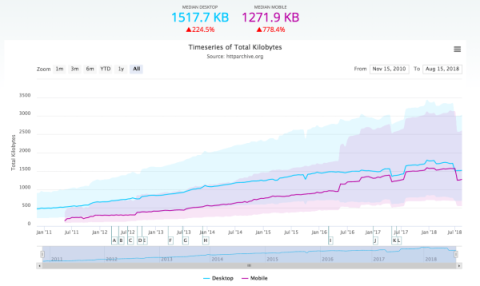
Webpages Are Getting Larger Every Year, and Here's Why it Matters

Average size of a webpage matters because it correlates with how fast users get to your content. People today have grown to expect good performance from the web. If your website takes more than 2.5 seconds to load, your users will probably never return to you again. Further, the more data your webpage needs to download, the longer it will take—particularly on slow mobile connections. Balancing a rich experience with page performance is a difficult tradeoff for many publishers.