Operations | Monitoring | ITSM | DevOps | Cloud

The Causes Of IT Incidents

In the realm of IT, disruptions and outages are not just inconveniences—they are critical events that can undermine the operations of businesses, impacting services, and user experiences. The landscape of IT incidents is vast, encompassing everything from minor glitches to significant outages that can halt operations and cascade into major business failures. Recognizing that there are various potential culprits for these disruptions, this blog will delve into the myriad causes of IT incidents.

How to Implement Zero Trust for Enhanced Cybersecurity: A Practical Guide

Implementing a robust cybersecurity strategy is not optional; it’s essential. Organizations must adopt effective measures to protect their sensitive data and systems. Yet, while companies recognize the value of a comprehensive approach like zero trust security, implementing it can seem overwhelming. With a straightforward guide detailing how to implement zero trust, your organization can take action to protect your resources — before a major security incident happens.

What Is AIOps (Artificial Intelligence for IT Operations)?

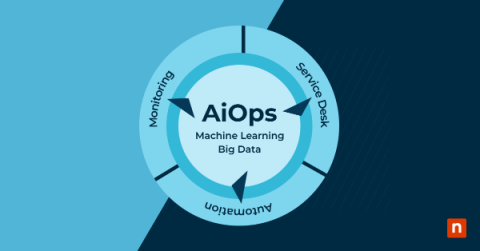
The main challenges in IT operations are ever-increasing complexity, diverse technologies, the relentless pace of change, and the need for a skilled team that can keep in step with the never-ending evolution of technology. Traditional approaches to IT operations struggled to keep up with the sheer volume of data, incidents, and the dynamic nature of modern IT environments.

GitLab vs GitHub: Which is the Better Version Control System?

Developers have many version control systems to choose from. Two popular platforms are GitLab and GitHub. Both of these platforms offer useful features that make them desirable tools for developers and software teams worldwide. However, though these platforms are similar, they’re not identical. Before you commit to using one or the other, you should compare GitLab vs GitHub and determine which will be better for your project.

What Is Git Stash? Definition & How-To Guide

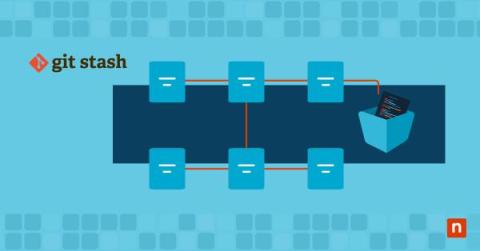
This guide will delve into git stash, starting with its basic concept, utility, and scenarios of use. We will then cover its basics, how to retrieve and manage stashes, and explore advanced techniques. Best practices and their importance in software development will conclude our guide, ensuring a comprehensive understanding of git stash.

The Rise of Product-Led DCIM Tools

Product-led DCIM software is synonymous with intuitive design. For users, this means less time grappling with complex interfaces and more time optimizing data center operations. This user-friendly approach reduces the learning curve and enables a broader range of the workforce to contribute meaningfully to data center management.

Application Migration: 5 Things that Can Go Wrong

Application migration is the process of moving an application from one environment to another. For example, you may choose to migrate an application from an on-premises enterprise server to a cloud provider’s environment, or from one cloud environment to another. The aim is typically to improve the flexibility, scalability, and cost-effectiveness of the application. Application migration is a complex process that requires careful planning and execution.

Navigate memory management challenges in MongoDB with Site24x7

Effective memory management is crucial for optimal MongoDB performance and helps ensure seamless database operations and user experience. Allocating enough memory lets the database store frequently used data and indexes in RAM and cut down on disk I/O operations. This boosts query response times and system responsiveness. Poor memory management can cause delays in retrieving data from disk, leading to performance degradation.

Software Load Balancers vs Appliances: Better Performance & Consistency With HAProxy

Software load balancers and load balancing appliances have become indispensable components within a healthy application infrastructure. Scalability, security, observability, and reliability are more critical than ever as companies push harder towards 99.999% availability. Accordingly, traffic management is key to protecting servers and ensuring uptime. Vendors have offered load balancers in different form factors to serve evolving infrastructure needs.