Operations | Monitoring | ITSM | DevOps | Cloud

Streamlining Observability: The Journey Towards Query Language Standardization

One of the most captivating discussions I had at KubeCon Europe 2023 in Amsterdam was about standardization of a query language for observability. This query language standard aims to provide a unified way of querying observability data across logs, metrics, traces, and other relevant signals. The conversation shed light on the pressing need for a standardized approach to overcome the challenges posed by the plethora of query languages currently in use.


Data Independence Day: Taking Back Control of Your Data!

On July 4th we celebrate. We celebrate freedom of movement, freedom of assembly, removal of excessive taxation, and much, much more. But what about digital independence? Removing the tyrannical yoke of control over your observability data. Authoritarian vendors restrict access and movement; they dictate proprietary formatting and even limit what can be commingled with your data, then apply enormous tax burdens (i.e. license fees) just to store your data.

How To Transition To Cloud Cost Optimization 2.0

But many businesses don’t have insight into where that money goes and whether or not they’re pricing their products accordingly. CloudZero Founder and CTO Erik Peterson sat down with Erik Carlin, Founder and CPO at ProsperOps, to talk about the transition in cloud cost optimization from 1.0 to 2.0. They explored what data engineering teams need to make informed buying decisions, how to turn data into actionable intelligence, and why you should view cloud costs as an opportunity for ROI.

Stop Overspending and Optimize Your Cloud Costs with Advanced Anomaly Detection

“Time is money” couldn’t be truer than in managing cloud costs. By way of proactive anomaly detection, a chance is given to save time that could have been spent on issue recognition and resolution. Anomaly detection for the Cloud can be tricky since there can be changes in prices & data on billing history anytime. Not to mention, seasonality can mess things up as well.

Autonomous Testing: The Top 5 Tools and Their Benefits

Software testing is a rapidly evolving landscape where automation has replaced traditional manual practices significantly in recent years. Artificial intelligence (AI) and machine learning (ML) advancements introduced a groundbreaking approach to software testing known as autonomous testing. This article aims to provide a comprehensive guide on autonomous testing tools, highlighting their benefits, and the top tools available.

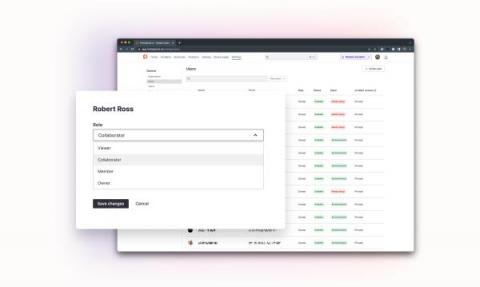
Upgraded role-based access control brings more visibility - and control - to incident management at your organization

We’ve long believed that incidents (and technical team cultures) improve when more people are empowered to declare, follow, and contribute to their resolution. But not everyone in an organization needs to be able to manage the processes, rules, and settings a company enforces for their incident programs.

SD-WAN Monitoring: Why Edge-to-Edge Coverage Isn't Enough

In recent years, network operations teams have had to contend with several critical challenges, including: In response to these challenges, teams are increasingly turning to SD-WAN. The market for SD-WAN is massive, and continuing to grow, potentially reaching $47 billion by 2031. Through SD-WAN technologies, organizations are able to realize a number of benefits. However, these benefits aren’t a sure thing. In fact, many teams encounter challenges with their SD-WAN implementations.

Quick Fix: Updating Telegraf Configs to Send Data to InfluxDB 3.0

We recently introduced a new version of InfluxDB, rewritten from the ground up to improve performance across the board. As with any undertaking of this nature, developers will need to make some adjustments to their applications in order to incorporate the new database. We even faced this challenge internally. We had many Telegraf instances sending data to legacy versions of InfluxDB.