For technical teams, the findings from DORA provide a model for measuring and improving performance. With almost a decade of data gathered from more than 33,000 professionals worldwide, the capabilities and frameworks detailed by the research help teams pinpoint areas for improvement and areas to celebrate. The team at DORA categorizes capabilities into three sections: Technical Capabilities, Process Capabilities and Cultural Capabilities.
In the vast universe of cloud computing, data transfer operations serve as the lifeline of your day-to-day tasks. Whether it’s migrating data to the cloud or distributing data across various storage accounts, data transfer plays a vital role. Microsoft’s Azcopy is a lifeline for those who require a robust, reliable, and efficient tool for their data transfer needs, particularly to and from Azure Storage.
“So you get paged and wake up in the middle of the night, you don’t know what’s going on, and there you are needing to figure things out — What kind of tabs do I need open? Where do I find the logs? Where are the dashboards and the metrics?” If you’ve ever been on call, this refrain, voiced by Alexander Rösel, Senior Software Engineer at Ultimate, will sound all too familiar.
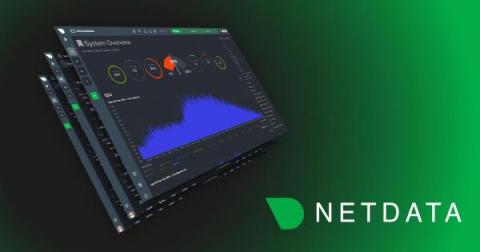
A “Parent” is a Netdata Agent, like the ones we install on all our systems, but is configured as a central node that receives, stores and processes metrics data from other Netdata “Child” nodes in our infrastructure. Netdata Parents are flexible. You can have one big active-active cluster of Netdata Parents, or you can spread a lot of independent Parents across the infrastructure. This “distributed still centralized” setup provides a lot of benefits.
Microsoft Teams Premium is here, with many of its new features now live and already adding benefits to businesses everywhere. Is it something you’re thinking about investing in? If it is, here’s the lowdown on some of the key additions and what they really mean for your organization.
The dynamic nature of the IT landscape poses complex challenges for organizations, necessitating the involvement of observability engineers. These skilled professionals have become indispensable in addressing critical pain points and optimizing system performance. In this blog post, we delve into the challenges observability engineers face and showcase how Mezmo's comprehensive telemetry solution empowers them to overcome these hurdles and achieve optimal results.
Understanding the performance of Android applications, user interactions, and problem-solving is significantly reliant on data monitoring. As the realm of mobile technology continues to expand, developers are tasked with managing an increasingly large amount of data. When this data is correctly harvested and scrutinized, it can yield valuable insights that inform strategic choices and lead to improvements in the app.