Operations | Monitoring | ITSM | DevOps | Cloud

Sponsored Post

Logs vs. Events: Exploring the Differences in Application Telemetry Data

What is the difference between logs and events in observability? These two telemetry data types are used for different purposes when it comes to exploring your applications and how your users interact with them. Simply put, logs can be used for troubleshooting and root cause analysis, while events can be used to gain deeper application insights via product analytics. Let's review some application telemetry data definitions for context, then dive into the key differences between logs and events and their use cases. Knowing more about these telemetry data types can help you more effectively use them in your observability strategy.
Graphite Metrics Delay: Why it Happens and What to Do

To understand why Graphite metrics delay occurs, we must first know what Graphite is. Graphite is an open-source tool used to track the performance of websites, applications, and network servers. It makes it simple to monitor, store, retrieve, and visualize numeric time-series data. While Graphite does make it easier to render graphs on-demand, the struggle of dealing with large amounts of data with minimum delay is real.

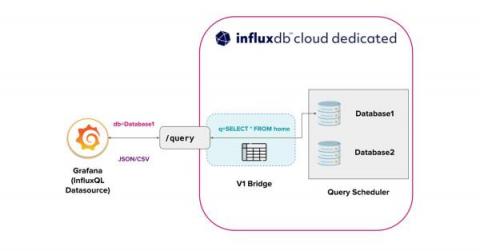
The Rebirth of InfluxQL in 3.0: A Quick Start Guide to Configuration and Usage

If we turn the clocks back to September 2013, we released InfluxQL alongside InfluxDB. InfluxQL is a SQL-like query language, specifically designed to query time series data. For many of our users, InfluxQL still remains the primary way they interact with InfluxDB. Based on this feedback, InfluxQL has been reborn in InfluxDB 3.0 alongside native support for the SQL query language. So what do I mean by reborn?

Improving the Elastic APM UI performance with continuous rollups and service metrics

In today's fast-paced digital landscape, the ability to monitor and optimize application performance is crucial for organizations striving to deliver exceptional user experiences. At Elastic, we recognize the significance of providing our user base with a reliable Observability platform that scales with you as you’re onboarding thousands of services that produce terabytes of data each day.

The power of generative AI for retail and CPG

The retail and consumer packaged goods (CPG) industry has undergone significant transformations due to advancements in technology. Technological innovations have reshaped various aspects of the industry, including customer engagement, inventory optimization, and supply chain management. These innovations have helped drive digital transformation, improve operational efficiency, enhance the customer experience, and promote sustainability.

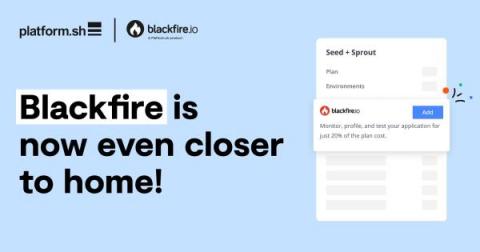
Blackfire is now even closer to home!

As you probably already know, Blackfire and Upsun joined forces back in June 2021. And since then our collective teams have been working together to provide a seamless integration for a complete Git workflow and Observability solution. Blackfire was already part of the Upsun product experience for Enterprise and Elite users for quite some time now thanks to the Upsun Observability suite.

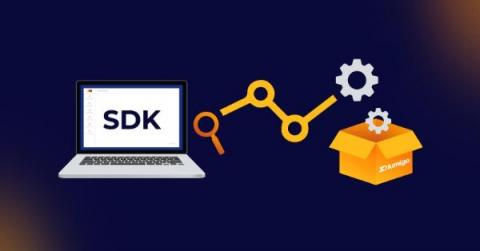
Building, deploying and observing SDKs as a Service - Part 2

In the first part of our series on Building, Deploying, and Observing SDKs as a Service, we delved into the world of APIs and successfully deployed our own REST APIs by wrapping the existing pet store APIs. Now, it’s time to take our journey further and unlock the true potential of SDKs. In this second part, we’ll explore how to build an SDK for the pet store API using the OpenAPI spec and the OpenAPI Generator project.

Incident Management vs Problem Management

In the dynamic landscape of IT service management, ITSM, two concepts reign supreme - Incident Management and Problem Management. They might seem similar, and many use these terms interchangeably, but they serve distinct purposes. Through this article, we’ll navigate the nuanced differences between Incident Management and Problem Management, and apply these concepts in our own approach to incident management.

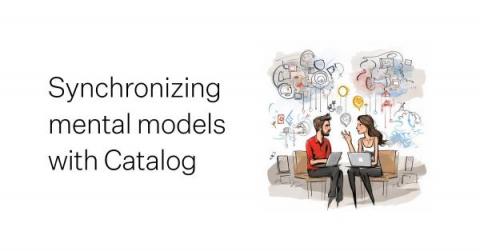
Synchronizing mental models

In the heat of an incident, having a clear and shared understanding of what’s going on is absolutely crucial to effective response. But often what actually happens is that people involved in incidents build their own picture and narrative of the event, shaped by their own expertise, their past experiences, and what they’re seeing and hearing as the incident develops. The pictures and perspective people build is often referred to as a mental model.

HEAL's vital AIOPS features

Artificial intelligence (AI) is one of the hottest topics in the world today, there are so much potential for this technology to help all sorts of Enterprise challenges. HEAL has been a leader in leveraging AI to help IT operations management for years. Our customers include some of the largest banks to the largest telcos in the world, working with them has enabled us to strengthen the AI in our core product to address many of the challenges faced by corporations large and small.