Operations | Monitoring | ITSM | DevOps | Cloud

Sponsored Post

Three Simple Steps to Improve Digital Workplace Collaboration

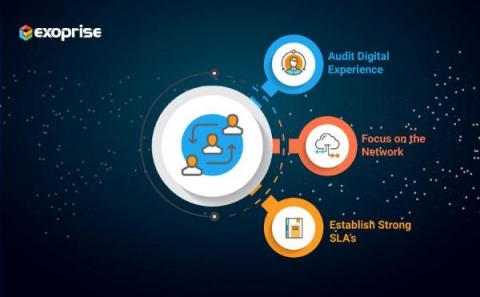
The pandemic sparked a dramatic uptick in corporate use of collaboration and cloud solutions. A related perpetual challenge is that enterprises do only a mediocre job of providing remote users, especially those working at home, with robust Digital Workplace experiences. As part of improving the enterprise Digital Workplace, Enterprises' must begin to conduct thorough digital inventories, focus on network observability, and enforce strong SLA's with cloud providers to address the shortcomings.


Streamlining HR Operations: Tips for Efficient Management

In today's fast-paced business environment, it's crucial to effectively manage your human resources. This can ensure sufficient manpower, quality skills and training, and increased staff retention rates. Specialist teams can oversee benefits and salaries, and even bring HR into the service desk. In this article, we'll provide some practical tips and best practices for streamlining your HR operations.
Sponsored Post

Improve MTBF and MTTR for your Application Platforms by using MESH Observability

When businesses look at how best to understand the performance levels of their platforms, some of the best incident management metrics to look at are Mean Time Between Failures (MTBF) and Mean Time ToResolution(MTTR). These two measurements will give an excellent indication of the health and speed of the system, as well as the ability of the platform to take care of any anomalies that have been detected or to flag them up for others to take action to resolve them.

Charmed Spark beta release is out - try it today

The Canonical Data Fabric team is pleased to announce the first beta release of Charmed Spark, our solution for Apache Spark. Apache Spark is a free, open source software framework for developing distributed, parallel processing jobs. It’s popular with data engineers and data scientists alike when building data pipelines for both batch and continuous data processing at scale.

10 Steps to Create a Risk Management Plan

It’s always nice to know the theory behind the practice, but sadly that’s not enough. A Risk Management plan is what will make you truly effective at avoiding risks and keeping your organization safe. Having a set of guidelines will help you map your activities, ensure the right people are held accountable, and avoid possible disruptions or fines. Don’t know where to start? Don’t worry!

The Leading Use Cases For Data Monitoring

Generally, data monitoring can be referred to as a continuous process of observing and tracking data in order to ensure its integrity, quality, and conformance with specific standards or requirements. Data monitoring often involves systematic data collection, analysis, and reporting to identify patterns, trends, anomalies, and potential issues.

Adopt a "Release-first" Approach with Release Lifecycle Management in JFrog Artifactory

Every organization has a process for building and releasing software. Smaller organizations may run a few automated tests before releasing, while larger organizations may have 100s of scans, validations, and approvals spanning everything from technical to legal. Whatever the process is, the end goal is the same: software that’s mature enough for release. The challenge is that this process is complicated, messy, and often created in an ad hoc way, changing as organizations evolve.