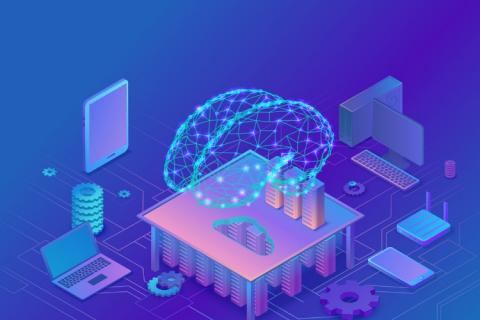
Bridging the gap between development and operations has become essential for the cultural shifts seen in organizations today. DevOps allows these concepts to be brought together, creating an influential blend of cultural philosophies, practices, and technological instruments, facilitating a quicker delivery of products and services. Throughout this blog, I will explore how we should all be embracing DevOps to allow our organizations to compete in an ever-changing digital world.
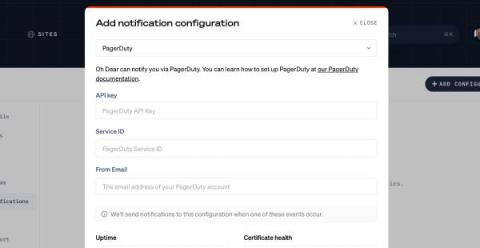
When we detect a problem with your site, we can notify you via mail, a Slack message, a webhook, or any of our other notifications channels. This is enough for most of our users, but those who work in larger teams often need more flexibility. Today, we are launching our PagerDuty integration. PagerDuty is a cloud-based incident management platform that helps organizations improve operational reliability by providing real-time alerts, on-call scheduling, and incident tracking.
Everything you want to know about Prometheus and Thanos, their differences, and how they can work together.
From applications in telecommunications to edge cloud and industrial digital twins, experimenting with real-time capabilities in cloud technologies is a trend in the industry. Applications for the edge often have an additional requirement as they interact with real-time systems: they need to run deterministically. It means that time constraints their execution and interaction within the system.
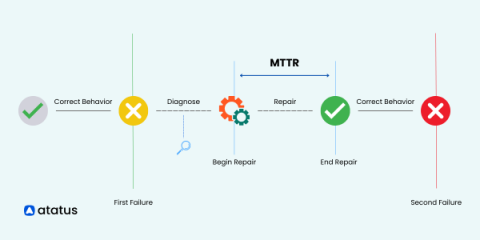
In the fast-paced world of software development, every minute counts. When disruptions occur, whether there are minor or major system failures, organizations need to bounce back to maintain seamless operations. That's where MTTR (Mean Time to Repair) steps onto the stage as a game-changing metric. Are you ready to unlock the secrets behind reducing downtime, boosting performance, and ensuring software reliability?
PHP is a powerful language used by at least 80% of all the applications you use today as their backend scripting language. This can be attributed to its relatively simpler syntax, which is on the same line as other C-style languages. It supports different operating systems (Windows, Linux, macOS), web servers, databases and integrates seamlessly with popular databases like MySQL, PostgreSQL, and Oracle, making it a suitable choice for database-driven applications.