Check our February 2023 health report on the top most popular cloud providers. We analyze the health of the cloud providers based on the number of outages and problems during the month. The source of the data is made available by the cloud providers themselves via their status page. We normalize it and use it to generate the report.
Those of you in the know, have already met Darmar, our Security Analyst at the Cribl University campus. (If you aren’t in the know, check out our newly rolled-out CCOE Stream Admin training to meet our beloved – & fictitious – goat). Hang with me, while I recount Darmar’s journey to unlocking the full value of their data.
The observability landscape - specifically your traditional Application Performance Monitoring (APM) offerings are failing modern-day developers. These legacy tools are made for ops and infra teams to keep their infrastructure and services up and running. But when it comes to helping the people that actually write the code to find and fix latency issues, these tools - which often come with massive price tags - leave developers hunting for issues causing slowdowns.
At Raygun, we’re a pretty polyglot group of developers. Various parts of our code base are written in different languages and frameworks — whatever is best for the job. That said, large parts of Raygun written with.NET, and we’re big.NET fans. Given the prevalence of C# applications (C# has been in the top 5 on the TIOBE index for about 10 years!) and the massive scale of data Raygun deals with, we’re often called on to do C# optimization work.
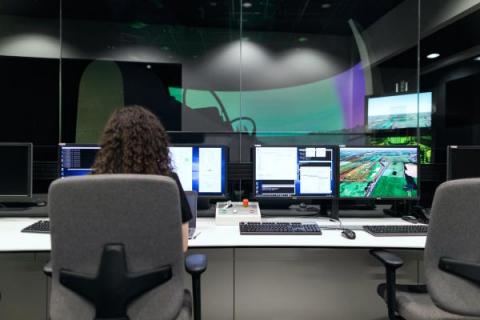
The world of software is growing more complex, and simultaneously changing faster than ever before. The simple monolithic applications of recent memory are being replaced by horizontal cloud-native applications. It is no surprise that such applications are more complex and can break into infinitely more ways (and ever new ways). They also generate a lot more data to keep track of. The pressure to move fast means software release cycles have shrunk drastically from months to hours, with constant change being the new normal.