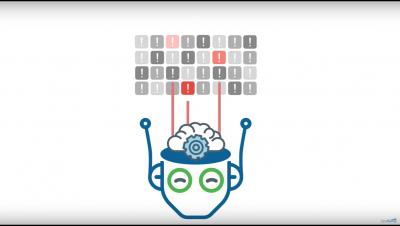
A new advance in incident alert management for MSPs: OnPage enabled the entire alerting process to become an integral part of Datto's Autotask service desk. MSP teams can now create workflows for alerts to be sent automatically to the person on-call based on customizable incident and ticket criteria.
With Request Life Cycle, administrators can predefine a set of statuses each ticket goes through, as well as specify conditions and actions for each status change. This ensures clarity and consistency in how each ticket is processed.
Opsgenie is now part of the Atlassian family and we're excited to invite you to this exclusive webinar where we will demonstrate how to integrate Opsgenie's powerful alerting and on-call management tools with your entire Atlassian stack.
In this THWACKcamp session, you’ll learn how microservices are different from other applications, when performance bottlenecks most often occur, how they tend to break, and where you can add monitoring to stay ahead of trouble. You’ll also see how to extend existing infrastructure dashboards to include microservice workloads, cut troubleshooting time, and include new business metrics that measure the business goals driving microservices in the first place.
Repetitive tasks are boring and repetitive. Why do we have computer systems if not to make our lives easier? In this session, learn why we want to leverage the SolarWinds Orion API to do just that with THWACK MVPs Kevin Sparenberg, Leon Adato, and Zack Mutchler.
Security policies within organizations are under a lot of scrutiny in today's times. Trying to stay up to date with these policies can create stress to users and the IT staff managing the infrastructure. Just like network standardization is a must, so is security standardization.
Too often, monitoring is a never-ending arms race. We keep adding more monitoring in response to new problems, but the cycle never seems to end. Humans, (the business), drive new changes, which cause new problems, and need more, new monitoring. And that’s where real, useful observability may be able to help finally identify root cause and break the cycle of reactive monitoring for novel issues.
Last year, we showed network engineers how to monitor like sysadmins. This year, we're flipping the script and showing systems administrators that there's nothing to fear from those network devices, and that monitoring them won't steal precious time from ensuring business services are up and users are happy.
Hear more on how OpsRamp built its Service-Centric AIOps platform, and what OpsQ can do for faster alert management, quicker incident remediation, and relief from the floods of alerts your teams deal with, daily.