How Netdata's ML-based Anomaly Detection Works
How does Netdata's machine learning (ML) based anomaly detection actually work? Read on to find out!


How does Netdata's machine learning (ML) based anomaly detection actually work? Read on to find out!
Unlocking the full potential of monitoring through ML integration, anomaly detection, and innovative scoring engines. Machine Learning has been making waves in various industries, but its adoption in the monitoring and observability space has been slower than expected. Many “ML” features remain gimmicky and do not provide actual real world value to users that encourages their further use.
Artificial intelligence (AI) and machine learning (ML) are two cutting-edge technologies that are revolutionizing the field of website development. AI refers to the ability of computers to perform tasks that typically require human intelligence, such as recognizing speech, understanding natural language, and making decisions based on data. On the other hand, ML is a subset of AI that involves training algorithms to learn from data and make predictions or decisions based on that learning.
There is rapid adoption of artificial intelligence (AI) and machine learning (ML) in the finance sector. AI in banking is reshaping client experiences, including communication with financial service providers (for example, chat bots). Banks are exploring ways to use AI/ML to handle the high volume of loan applications and to improve their underwriting process.
As engineers, we tend to pride ourselves on building a production-first mindset and operational excellence. According to a recent survey, 74% of executives believe that AI will deliver more efficient business processes, while 55% think that AI will help develop new business models and create new products and services. However, the reality is that 85% of ML projects fail to deliver, and 53% of machine learning prototypes don't make it to production.
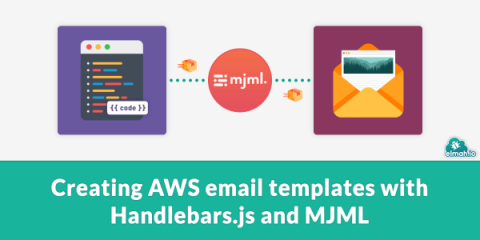
In the next two posts (maybe more) I'll share how we have developed elmah.io's email templates currently sent out using Amazon Web Services (AWS). This first post will introduce template development using MJML and Handlebars.js. In the next post, I'll explain the process of building them on Azure DevOps and deploying them to AWS.
Data pipelines are the backbone of Machine Learning projects. They are responsible for collecting, storing, and processing the data that is used to train and deploy machine learning models. Without a data pipeline, it would be very difficult to manage the large amounts of data that are required for machine learning projects.