The latest News and Information on Monitoring for Websites, Applications, APIs, Infrastructure, and other technologies.
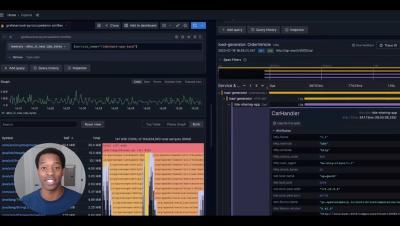
This is the third blog in our series on Kafka, where we continue to explore the nuances of deploying Kafka for scale. In our previous blogs, Essential Metrics for Kafka Performance Monitoring and Auto-Instrumenting OpenTelemetry for Kafka, we laid the foundation for understanding Kafka’s performance and monitoring aspects. Now, as we explore further into the Kafka ecosystem, we’re here to tackle the common challenges that can arise during deployment and scaling.
The choice of a framework isn’t merely a technical decision, it’s a commitment to a trajectory. Both Next.js and Remix are robust frameworks that cater to modern web development needs, but they differ in their approach to routing, data fetching, and performance optimization.
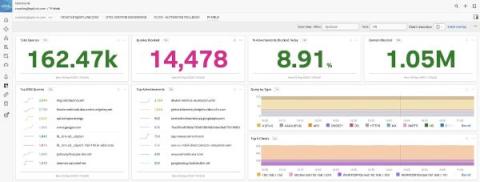
Historical Trends is a new functionality introduced with Flowmon 12.3 that will enable you to easily compare your current network traffic with historical values and gain new valuable insights.
At Progress Flowmon, we continue to develop and improve the Flowmon product family. The latest update takes the core Flowmon product to release 12.3 and updates our industry-leading Anomaly Detection System (ADS) to version 12.2. In this blog, we highlight several of the improvements.
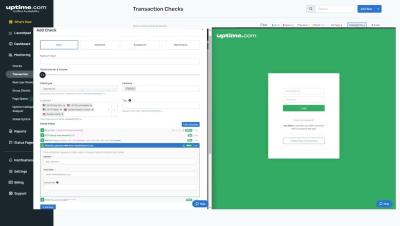
Almost every study examining the hourly cost of outages invariably leads to a clear and undeniable conclusion: outages are expensive. According to a 2016 study, the average cost of downtime was estimated at approximately $9,000 per minute. In a more recent study, 61% of respondents stated that outages cost them at least $100,000, with 32% indicating costs of at least $500,000 and 21% reporting expenses of at least $1 million per hour of downtime.