Node to Node Monitoring w/ Catchpoint
Understand how you can monitoring the connectivity between your CatchpointEnterprise nodes deployed around the globe.


The latest News and Information on Monitoring for Websites, Applications, APIs, Infrastructure, and other technologies.
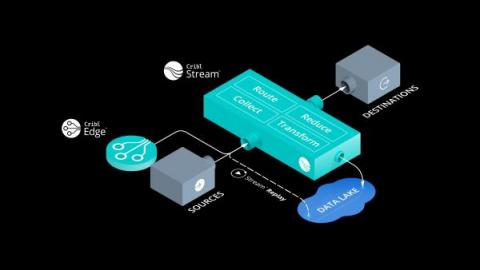
Yesterday, we officially announced Cribl Edge, a next-generation observability agent. You can find more about its features here. In this post, I am going to walk you through the journey of incepting and building this new product. Our most important core value at Cribl is “Customers First, Always.” and that involves actively listening and being on the lookout for any pains our customers might be experiencing.
Today we’re announcing the general availability of Icinga Web v2.10.0. You can find all issues related to this release on our Roadmap. Please make sure to also check the respective upgrading section in the documentation.
WebSockets have been around for over a decade now, but the real-time web existed long before they came. This preceding ‘real-time’ web was typically slower and hard to achieve. It was attained by hacking available web technologies that were not primarily built for real-time applications. There was no solution with TCP/IP socket-style capabilities in a web environment that could address all concerns associated with operating in a web environment.
For those who aren’t that familiar with it, Electron is an open-source framework that allows developers to build cross-platform desktop applications in JavaScript. Some of the most popular desktop applications like VS Code, Slack, Discord, and Atom, are all built in Electron.
Rightsizing is about finding the optimal cloud configuration options to ensure that you get the performance you need—within any given constraints you are operating under—at the lowest possible cost. This is a simple proposition, but deceptively so. For one thing, business requirements are constantly changing, meaning that your workloads must adapt to support them, which in turn changes their operating parameters.
When you own and operate software, they generate various types of logs from disparate sources such as databases, servers, and applications. The metrics from these important digital assets are what companies monitor continuously. When they show you a sign of unreliability, companies need to take swift actions to fit the cause and prevent it from growing to a larger problem. The key to success in this activity is owning a good Syslog application and metrics software where you can clearly see metrics.