The latest News and Information on Monitoring for Websites, Applications, APIs, Infrastructure, and other technologies.
Hi! 👋 Colin, the creator of StatusGator, here with big news. TL;DR We just rolled out a massive update (with 7+ new features) and redesigned the entire website. One thing we often heard from people seeing StatusGator for the first time is that it had a rather outdated look. Landing on our website, many people got the impression StatusGator was created 10 years ago and forgotten about.
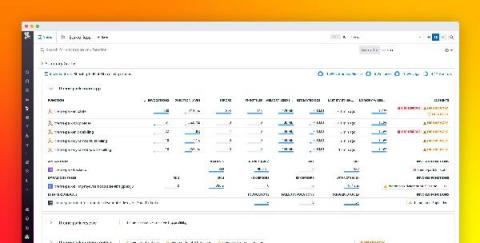
Serverless event-driven architectures are composed of AWS Lambda functions that regularly interact with databases, APIs, message queues, and other resources to facilitate complex workflows and functionalities. It is therefore crucial to monitor every component of your stack to ensure your applications perform optimally at scale. But traditionally, telemetry data for AWS resources has lived in silos, making it difficult to quickly get the context you need to debug issues.
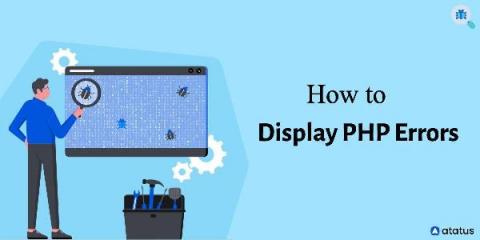
During the execution of a PHP application, it is possible for it to generate a wide range of warnings and errors. For developers seeking to troubleshoot a misbehaving application, being able to observe these errors is critical. Developers, on the other hand, frequently encounter difficulties when attempting to display errors from their PHP applications. Instead, their applications simply stop working.
Excellent new features have arrived in Loki v2.3.0. Bug fixes too. And performance increases on top of that. While we have been quiet, we have been very busy!
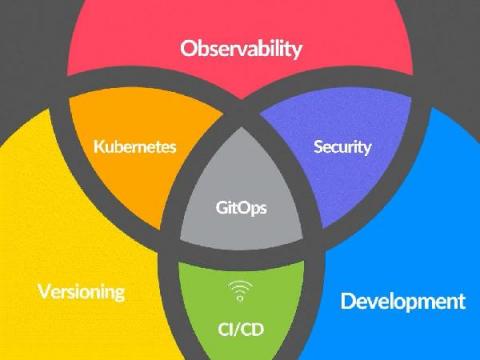
Is GitOps changing observability as we know it? GitOps has been the buzz word in the DevOps space for several years. GitOps, to those that are not familiar, is an operational methodology for DevOps that leverages a continuous deployment approach with Git as the single source of ‘truth’ for declarative control over both infrastructure and applications.
The OpsRamp Monitor is back, capturing the latest buzz around what’s trending in the world of ITOps and related technology. It’s been a busy month!
The Java Persistence API (JPA) is used in most Java applications to interact with a relational database. One of its most popular implementations is the Hibernate ORM, because it uses object-relational mapping to abstract database interactions and makes implementing simple CRUD operations very simple. But this abstraction also has its downsides. Hibernate uses a lot of internal optimizations and hides all database interactions behind its API.