The latest News and Information on Monitoring for Websites, Applications, APIs, Infrastructure, and other technologies.
Before you can achieve access to any cloud service a connection to the internet is required. Sounds simple enough, however, the challenge lies not only with the internet connection itself, but the provider of the service as well. Not all internet service providers (ISPs) and pathways to the internet are created equally which makes assessing and understanding the quality of the service you’re on a critical step toward maintaining business productivity.
Serverless lets you deploy applications far away in a data center of a cloud provider. This relieves you of the lion’s share of operational burdens. The more you buy into your cloud provider’s ecosystem, the less you have to do yourself: no more OS updates or database bugfix installations. But you still need to do some operation-related work on your own. For instance, monitoring your application to know what’s going on in that far away data center.
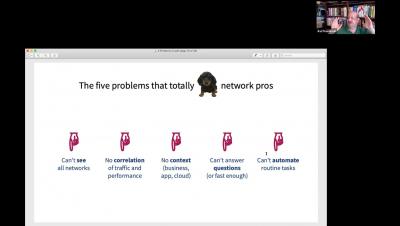
As we start to see big moves from monolith deployments to microservices, the adoption of Kubernetes has become top of mind for many SREs. Organizations can leverage the open-source system to automate deployments, scale, and manage containers, making Kubernetes one of the primary solutions for delivering workloads. However, maintaining the system can be difficult and, in some cases, overwhelming.
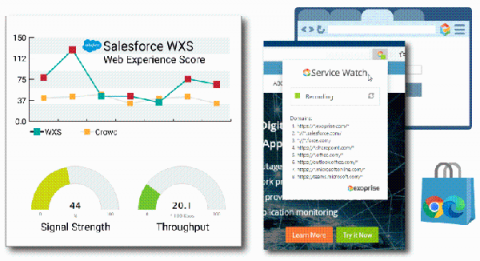
Exploring the Internet and accessing SaaS applications via a web browser such as Google Chrome, Firefox, or Microsoft Edge is commonplace today. At times, end-users visiting apps through multiple channels face performance issues of slow Wi-Fi (Network) speed, increased page response times (TTFB), and long page load times resulting in end-user dissatisfaction and frustration.
There’s an insidious disease increasingly afflicting DevOps teams. It begins innocuously. A team member suggests adding a new logging tool. The senior dev decides to upgrade the tooling. Then it bites. You’re spending more time navigating between windows than writing code. You’re scared to make an upgrade because it might break the toolchain. The disease is tool sprawl.
Pernod Ricard is the toast of the wine and spirits industry, with a comprehensive portfolio that includes brands such as Jameson, Absolut Vodka, and Havana Club. While the $53 billion company has thrived on traditional distribution channels such as restaurants, clubs, stores, and duty-free shops, Pernod Ricard has recently focused on growing its direct-to-consumer (D2C) e-commerce business.