The latest News and Information on Monitoring for Websites, Applications, APIs, Infrastructure, and other technologies.
I recently spoke to Nick Rockwell, CTO at The New York Times (a Sentry customer), and Yonas Beshawred of Stackshare about simple solutions, React, and going serverless. Take a listen or read on for the highlights. Because why would we even bother with the lowlights?
It does not matter how BIG your IT team is – this little device doesn’t need much. No fancy desks, gadgets, vacation days or sick days. It keeps your team working efficiently and effectively so that they can focus on the real matters!
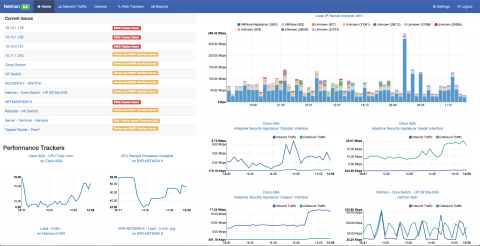
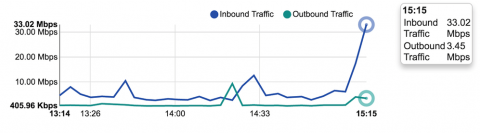
As communication and network infrastructure grows in size and complexity, having a complete view and understanding of your network environment (including the amount and type of network traffic going back and forth) becomes vital to your business’ health and operations. Having the right tools to do the job is just as important. If you can’t quickly determine the source, destination, rate and the type of traffic going across the network, you don’t have the right tool.
NVM (Node Version Manager) is a great tool that enables the user to switch beetween differents versions of Node.js. Here's a quick introduction on how to install, use it and take advantage of all its features.
We announced it at NodeJS paris meetup (here are the slides) and we did it! For the release of PM2 0.9.x, a new awesome and simple feature will make your life much easier.
As you would probably know, Node.js is a platform built on Chrome's JavaScript runtime, gracefully named V8. The V8 engine, and hence Node.js, runs in a single-threaded way, therefore, doesn't take advantage of multi-core systems capabilities.
Icinga turned 9 in May, we’re kicking off our 10th year of spreading the #icingalove. ? OSMC 2018 Call for Papers is officially open and we are looking forward to hear your Icinga stories this year. Did you dive through distributed setups, automated everything and combined the metrics of many tools into your stack? That’s a hell of a ride, and other community members will certainly listen and learn from your expertise.
Customers are visiting your website, employees are logging into your systems and countless machines are talking to each other in an effort to deliver the perfect user experience. We’d like to believe that all of these individuals and machines are operating with the best of intentions, but how can we be so sure? One possible answer lies in the connecting device’s IP address and its respective physical location.
How many servers can be managed by one system administrator? This question is pretty hard to answer since it depends decisively on the tasks that need to be operated. It is clear, however, that the amount of servers one engineer can manage has increased tremendously over the time, and is still growing. Public and private clouds, in combination with automation tools, enables us to automate many daily tasks. In a modern IT infrastructure almost everything can, and should, be automated.