Densify
Densify is a predictive analytics engine that removes the guesswork from optimizing cloud and container environments.


Did you know that California was one of the earliest adopters in the world for earthquake automated detection? Though rudimentary, early systems were literally horns strapped to government buildings, the idea was simple: sound an alarm the moment that an earthquake could be confirmed. The critical period of warning residents get can prove the difference between finding shelter and securing your family. In a land where earthquakes level buildings, detection was critical.
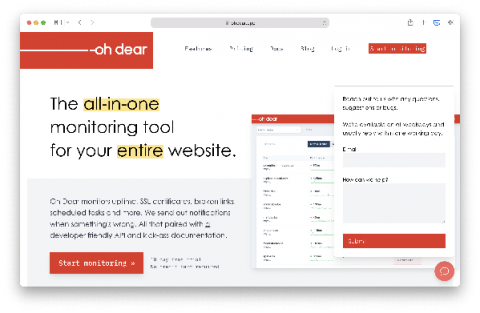
Like most SaaS products, Oh Dear is a living platform. We add new features proposed by our users, fix bugs that get reported, and regrettable also sometimes introduce new bugs. Most users use email to communicate with us. Even though sending an email is often perceived as friction-free, it can be a minor hurdle. We've introduced a little support bubble at the bottom of every page to make it easier for our users to pass us feature requests and report bugs.
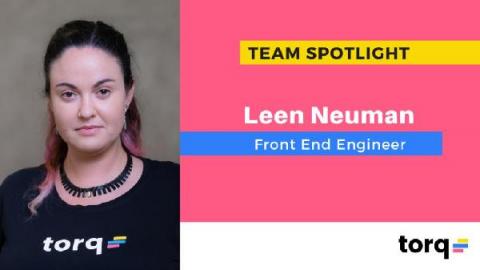
The #LifeatTorq Team Spotlight is a Q&A series dedicated to the talented and generally kick-ass team that form the foundation of our growing company. Today we are spotlighting Leen Neuman, a Front End Engineer at Torq, based in our Tel Aviv office.
Not too long ago, you would have needed development experience to oversee the delivery of scalable and reliable software. But with the rise of low-code and no-code tools, that requirement is now obsolete. What used to be hours of coding has turned into a few minutes of dragging and dropping.
Containers, along with containerization technology like Docker and Kubernetes, have become increasingly common components in many developers’ toolkits. The goal of containerization, at its core, is to offer a better way to create, package, and deploy software across different environments in a predictable and easy-to-manage way.