Operations | Monitoring | ITSM | DevOps | Cloud



Dashboard Fridays: Log Analytics VM Updates
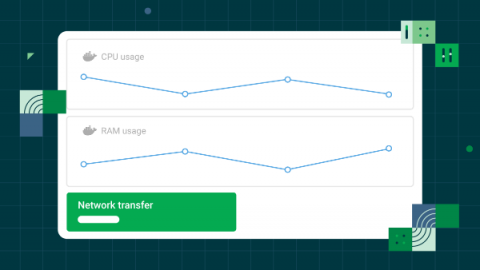
Predict the cost of IP ranges with new enhancements to the Resources tab
One of our most requested and popular features, IP ranges for the Docker executor, recently became available to all customers on a Performance or Scale plan. With IP ranges, you can route job traffic through an IP address that is verifiably associated with CircleCI. This enables your team to meet compliance requirements by limiting the connections that communicate with your infrastructure. With any new feature, you want to know how much it’s going to cost your team.

Introducing New Storage Dashboards in the Cloud Monitoring Console (CMC)
Monitoring and gaining additional insights about usage of your Splunk Cloud Platform deployment is essential for effective management as a Splunk admin. Your Splunk Cloud comes with the Cloud Monitoring Console (CMC) app, which displays relevant information about the status of your Splunk Cloud environment using pre-built dashboards.
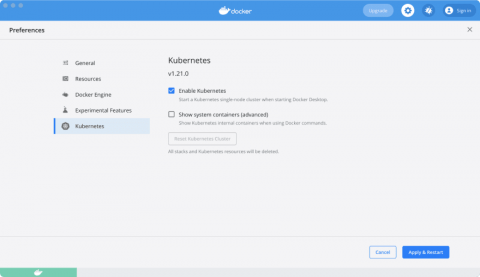
Running Serverless Applications on Kubernetes with Knative
Kubernetes provides a set of primitives to run resilient, distributed applications. It takes care of scaling and automatic failover for your application and it provides deployment patterns and APIs that allow you to automate resource management and provision new workloads.
Deploying Docker Containers on AWS: Elastic Beanstalk vs ECS vs EKS
How To Become A Small Business Consultant (3 Essential Tools)
If you want to become a successful small business consultant, you need to leverage a range of tools and applications. Small business consultants are in high demand, and if you want to hit the ground running in this field, you need to have the right tools and applications at your disposal. In this article, we will explore three essential tools every small business consultant should use. These tools will help you manage your clients more effectively and streamline your operations.

Observability, monitoring and supervision
There are different positions on whether observability and monitoring are two sides of the same coin. We will analyze and explain what the observability of a system is, what it has to do with monitoring and why it is important to understand the differences between the two.
The Virtual Experience: 3 Future-Facing VDI Use Cases
In today’s world of flexible work, technology has to be one thing above all else: versatile. A decade ago, virtual desktop infrastructures (VDI) wouldn’t have been able to meet this moment – VDI used to be too narrow and restricted in terms of what use cases it could service. Fortunately, VDI has evolved dramatically since those days. Now, with the right resources, there’s very little you can’t accomplish through virtual desktops.