Operations | Monitoring | ITSM | DevOps | Cloud

DevOps 101: The role of automation in Database DevOps

This is the fifth part in the DevOps 101 series and it’s time to talk about automation. Before we get into it, I just want to recap what DevOps is. Microsoft’s Donovan Brown sums it up nicely in a single sentence: DevOps is the union of people, process, and products to enable continuous delivery of value to our end users. The important thing to remember here is the order in which he talks: people, process, and products. That’s the way DevOps works.


Using Squadcast's SLO Tracker | Error Budget | Setting up SLOs and configuring SLIs | Squadcast

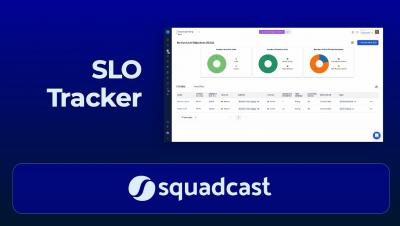
With Squadcast, you can define and monitor Service Level Objects for your services. SLOs allow you to define and enforce an agreement between two parties regarding the delivery of a given service. A Service Level Objective (SLO) is a reliability target, measured by a Service Level Indicator (SLI), and sometimes serves as a safeguard for a Service Level Agreement (SLA). SLOs represent customer happiness and guide the development team’s velocity.

Interrupts in software teams: using unplanned work to your advantage

Interrupts are often seen as a problem that eats away at your team’s productivity, and gets in the way of shipping important things for your customers. It’s often consciously accrued from the tech debt we accept to ship features sooner. However when a team doesn’t have a good strategy for dealing with the consequences of those decisions, the pain is felt much more acutely and much sooner.

The 3-2-1 Backup Rule Explained

Data disasters are practically inevitable, but a planned out backup strategy can combat their damaging effects. The Cybersecurity and Infrastructure Security Agency (CISA) of the U.S. government is a major organization that recommends sticking to a 3-2-1 backup strategy. Follow the 3-2-1 backup rule to ensure that your data is kept safe.

What is an MSP SLA? Everything You Need to Know

As a managed service provider, your success depends largely on the satisfaction of your customers. If they’re happy, they’ll stay with you and recommend you to others. But if they’re not, they’ll take their business elsewhere. Sometimes, some customers are never satisfied no matter how hard you try. Instead, they’re always finding something to complain about, which can be frustrating.