Five worthy reads is a regular column on five noteworthy items we’ve discovered while researching trending and timeless topics. With the rising concern over cyberattacks in the distributed workforce, this week we explore the concept of cybersecurity incident response during a pandemic.
VictorOps is an incident response tool whose mission is straightforward: “To make being on call suck less.” It enables teams to quickly detect and respond to problems like a service degredation or outage. VictorOps supports a wide range of external integrations to extend its capabilities by connecting different parts of your DevOps toolchain.
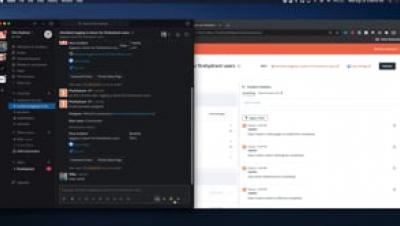
We’re pretty sure using a real incident to test a new response process is not the best idea. So, how do you test your process ahead of time? In this video, FireHydrant CEO, Robert Ross, shared how our customers leverage best practices to break, mitigate, resolve, and fireproof incident processes.
Splunk Phantom is a security orchestration, automation and response (SOAR) technology that lets customers automate repetitive security tasks, accelerate alert triage, and improve SOC efficiency. Case management features are also built into Phantom, including “workbooks,” that allow you to codify your security standard operating procedures into reusable templates.
Datadog is an awesome tool for aggregating and visualizing the metrics that matter to you. Recently, Datadog launched a new Incident Management feature, which allows you to coordinate the activities around a problem that affected your service. In this example, I’ll walk through using Relay to roll back a Kubernetes deployment that caused a service impact, and show how the Datadog Incident timeline can keep everyone working on the incident in sync.