Application Monitoring 101: How to Setup and Monitor Performance in Android Applications
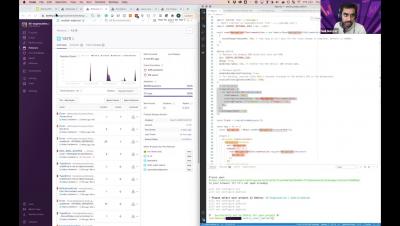
Neil Manvar (Solutions Engineer @Sentry) shows how to setup and monitoring Performance in your Android applications.


SaaS or Software-as-a-Service make up a growing amount of business-critical functionality. Gone are the days of hosting every single application necessary to run a successful business. Everything from email hosting, financial systems, and human resources functions are all now done on SaaS-hosted platforms. The knowledge that all of this is out of your hands is both freeing and frustrating.
The adoption of Infrastructure as Code(IaC) has skyrocketed in recent years as engineers seek ways to deploy cloud infrastructure faster and more efficiently. IaC refers to the technologies and processes that manage and provision infrastructure using machine-readable languages (code) as opposed to inefficient manual operations.
When internal IT teams are responsible for ensuring service uptime, it becomes a challenge with cloud applications like Teams – especially when you don’t know the root cause of an outage. The reality for most organizations relying on Microsoft Teams and other Office 365 cloud services is that there’s an innate expectation that service availability is going to be met; Microsoft has enough redundant infrastructure to ensure they can meet their 99.9% service level agreement.
When you start researching how to improve the reliability of your software, you will soon run into terms like SLOs and SLAs. It can sound intimidating, but it's quite straightforward to understand. In this post, we will introduce these terms, the differences between them and how to start using them to make your systems more reliable.
n8n is a fair-code licensed tool that helps you automate tasks, sync data between various sources, and react to events — all via a visual workflow editor. Our team has been using Mattermost for internal communication since the very beginning, and in time we have developed a ChatOps practice by integrating Mattermost with our workflows. In this article, we present five of our favorite use cases of n8n with Mattermost, for both work productivity and team engagement.