Operations | Monitoring | ITSM | DevOps | Cloud

The Importance of System Monitoring for Business Operations

System monitoring has become a fundamental driver behind successful business operations in the digital age. The mostly invisible strand of intelligence is quietly working in the background, ensuring business continuity while supporting security and productivity. This post will delve into what system monitoring is, its primary areas of focus, and the irreplaceable value it brings to a business.

Virtual Machine Manager and NiCE VMware Management Pack for SCOM

System Center Virtual Machine Manager (SCVMM) and the NiCE VMware Management Pack for System Center Operations Manager (SCOM) are both valuable tools for managing virtualized environments. However, they serve different purposes and offer distinct features. This comparison will explore the key differences and similarities between SCVMM and the NiCE VMware Management Pack for SCOM.

Sponsored Post

Microsoft SCOM ITSM Ticketing System Connectors

SCOM (System Center Operations Manager) is a powerful tool that allows experts to monitor and manage their IT environment. However, to make the most out of SCOM, choosing a suitable ITSM connector that integrates with your existing ticketing systems is essential. In this blog post, we will explore different SCOM connectors available in the market and compare their features to help you make an informed decision.

Node.js Logging Tutorial

Node.js logging is an important part of supporting the complete application life cycle. From creation to debugging to planning new features, logs support us all the way. By analyzing the data in the logs, we can glean insights, resolve bugs much quicker, and detect problems early and as they happen. In this post, we will talk about the who, what, when, where, how, and why of Node.js logging. Later in this post, the “how” section will give insights into using code.

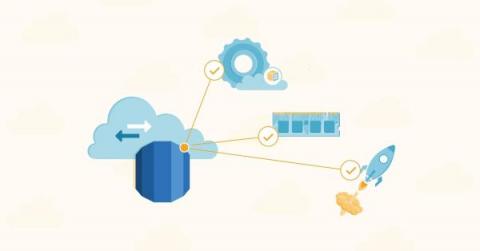
The Ultimate RDS Instance Types Guide: What You Need To Know

Amazon’s Relational Database Service (Amazon RDS) offers a variety of database instances, which can be confusing at first. In this guide, we'll clarify what each RDS instance class, family, type, and size means in under 15 minutes. Let's start at the beginning.

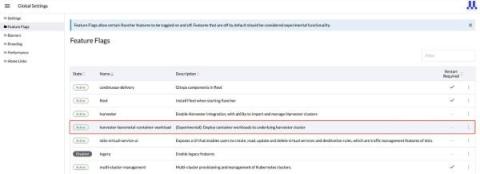
Announcing the Harvester v1.2.0 Release

Ten months have elapsed since we launched Harvester v1.1 back in October of last year. Harvester has since become an integral part of the Rancher platform, experiencing substantial growth within the community while gathering valuable user feedback along the way. Our dedicated team has been hard at work incorporating this feedback into our development process, and today, I am thrilled to introduce Harvester v1.2.0!