We sympathize with the IT teams that keep their networks running – we really do. We understand it’s a thankless job where they’re ignored if everything’s working and blamed when everything’s not. That’s why we’ve tried to make our network infrastructure and application experience (AX) products as simple and intuitive as possible.
Jeff Dean at Google Brain once said that the most sophisticated AI algorithms succumb to the quality of the dataset they rely on. That's a fancy way of saying: "Garbage in, garbage out." And if your organization is struggling with the effects of dirty data-inaccurate analytics, sub-optimal automations, and persistent problems with IT operations management-chances are you've got visibility gaps in your infrastructure that have you operating with a CMDB filled with inaccurate, incomplete, or obsolete information.
Our ongoing love affair with the cloud doesn’t show any signs of slowing. In 2021, end-user spending on public cloud services alone is predicted to reach $332 billion — or, to put it another way, more than the GDP of Chile, Finland or Vietnam. This affection is understandable. The cloud lets organizations build or adopt new services, expand to new regions and scale their offerings faster, more simply and — if used correctly — at lower cost than ever before.
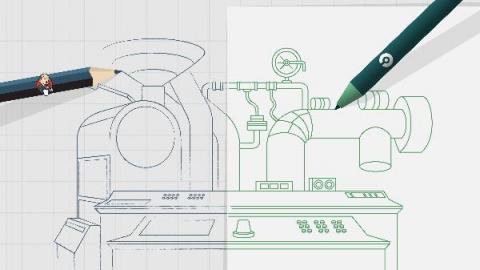
Ten years ago, tools like Jenkins were first-class automation platforms for your CI pipelines. The jump from lower-level tools and custom scripts to tools like Jenkins created dramatic improvements. Now, a new generation of web-based tools are available. They provide a platform for the next leap forward for product build automation. This long history means that many mature organizations use Jenkins for CI.
Experiencing network issues is inevitable - but they don’t need to derail your entire work day. The faster you troubleshoot network problems, the quicker you can get back to peak productivity. In this article, we’re teaching you how to troubleshoot network issues using Network Troubleshooting tools.
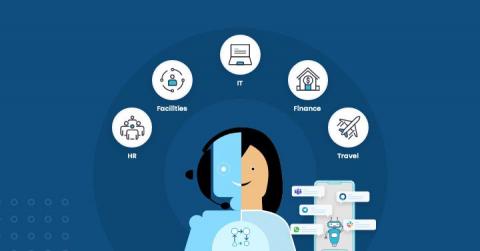
The business sector has advanced technologically and made great leaps toward modernization throughout the years, resulting in some substantial workplace changes. To promote an employee-friendly workplace, traditional techniques of operations need to be abandoned in favor of more modern approaches that are more appropriate in today’s reality.