Windows services are the unsung heroes of Windows machines. This is because they act as critical components of the Windows operating system that run in the background to keep your computer running smoothly and securely. They are responsible for a wide array of tasks, including system startup and shutdown, security, performance, and application support.
While Kubernetes revolutionized distributed orchestration, it also added complexity to logging and monitoring. To keep up with the challenges of working with Kubernetes clusters, you need to adapt your monitoring strategy. This includes changing the tools you use. To help keep your Kubernetes environment healthy, we made a list of the best Kubernetes monitoring tools. This list includes both open-source and commercial.
We’ve compiled a list of 9 top-notch port monitoring tools that will help you stay ahead without breaking the bank. So strap in as we explore the world of ports through these beneficial applications and tell you about the best options on the market today! In this guide, you’ll learn… Looking for more amazing monitoring tools? Check out our post about the top 7 ping monitoring tools in 2024.
Most development teams know that testing the application layer of a system (a.k.a the codebase) is of vital importance. Testing the data layer (the database) is just as important. To perform database testing, you construct queries to assert and validate the database operations, structures, and attributes required by the application connecting to the database.
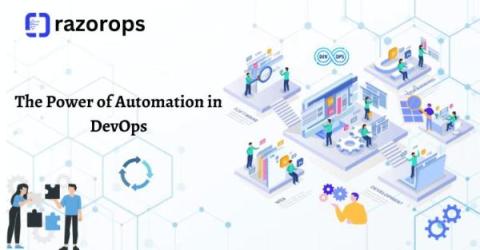
In the ever-evolving world of software development and operations, DevOps has emerged as a game-changer. DevOps, short for Development and Operations, is a set of practices and principles that bridge the gap between these two traditionally siloed domains, fostering collaboration and accelerating the delivery of high-quality software. At the heart of DevOps lies automation, a powerful force that revolutionizes the way software is developed, tested, and deployed.
At PagerDuty, our purpose is to empower teams with the time and efficiency to build the future. That means that our own teams are constantly building and relentlessly innovating to help organizations drive transformative change in the way they operate.