Operations | Monitoring | ITSM | DevOps | Cloud

Customization vs. Standardization: Striking the Right Balance in Developer Platforms

Internal developer platforms (IDPs) have become a necessity for software development in today's ever-changing technological landscape. These platforms not only support engineering team velocity and business product strategies but also enhance communication and information flow, impacting successful product launches.
VictoriaMetrics Long-Term Support (LTS): Current State

We release VictoriaMetrics several times a month, including at least one major update. However, because these new releases often introduce new features, they may be less stable. That’s why we also regularly publish Long-term support releases (LTS) alongside our regular releases. These LTS versions focus exclusively on bug fixes without new features and performance improvements. We committed to publishing LTS versions every six months and supporting them for one year.

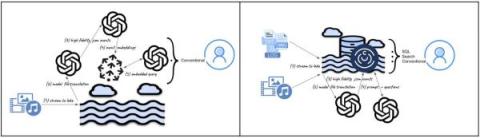
The Evolution of Search: How Multi-Modal LLMs Transcend Vector Databases

As we venture deeper into the data-driven era, the traditional systems we have employed to store, search, and analyze data are being challenged by revolutionary advancements in Artificial Intelligence. One such groundbreaking development is the notable advent of Large Language Models (LLMs), specifically those with Multi-Mod[a]l abilities (e.g., Image & Audio).

Why Vetted Software Developers Are The Backbone Of Your Tech Ventures

In the world of tech ventures, software developers play a pivotal role. They are the unsung heroes behind the scenes, turning ideas into functional reality. This blog explores why vetted software developers are the linchpin of your tech ventures and how their expertise can make or break your projects.

Challenges to Anticipate When Transitioning to an Internal Developer Platform

Internal Developer Platforms (IDPs) are gaining significance in contemporary software development because they can transform an organization's software delivery by facilitating automation and productivity across large teams or by permitting smaller teams without dedicated DevOps engineers the ability to deploy at scale. The migration of existing projects, protocols, and infrastructure to the new platform can make the transition to an IDP challenging for businesses.

Implementing Backstage: Kubernetes Deployment

This final part of the “Implementing Backstage” series focuses on how to deploy Backstage on Kubernetes. This tutorial is a direct continuation of Using the Kubernetes Plugin in Backstage, which you should complete before tackling this one. The other installments in this series covered getting started, using the core features, integrating with existing tools using plugins, and security and compliance.

Implementing Backstage: Kubernetes Plugins

This second last part of the “Implementing Backstage” series explains how to use the Kubernetes plugin in Backstage using real-world scenarios. The previous installments covered getting started, using the core features, integrating with existing tools using plugins, and security and compliance. If you’re entirely new to Backstage and want to learn more, you can read the first entry in the “Evaluating Backstage” series.

Sponsored Post

AI for Customer Support and Why You Need It

Providing exceptional customer support has become a key differentiator for businesses. Customers expect quick and personalized solutions to their queries and issues. To meet these expectations, organizations are turning to Artificial Intelligence (AI) for customer support solutions. AI technologies, such as Generative AI, have revolutionized the way companies interact with their customers, streamlining support processes, and delivering superior customer experiences. In this comprehensive guide, we will explore the significance of AI for customer support, its various use cases, how to implement it, the role of Generative AI, and the barriers to overcome for its successful adoption.