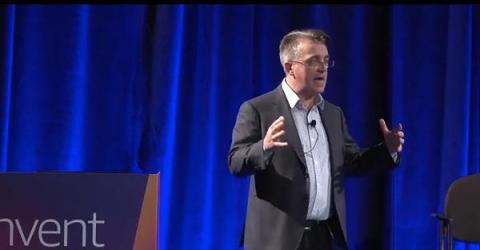
Phil Tee: Observability Requires the Marriage of AI, Metrics and Logs
Observability without AIOps is just noise.


Observability without AIOps is just noise.
In recent months, the major cloud and tech players have been unfurling their latest products and strategies to win enterprise dollars. One trend that’s catching fire is hybrid infrastructure management: the need to support a mix of on-premises, private cloud, and public cloud resources.
Any system connected to the Internet is vulnerable to malicious attacks and breaches. If it’s online, there’s someone out there trying to break into it and do something bad with it (usually stealing data). Plain and simple. To protect your most valuable assets, you need bulletproof security measures, a skilled SecOps team, robust investigation tools, and reliable prevention/mitigation strategies.
Cybersecurity is a hot topic. With high profile breaches making headlines on almost a monthly basis, combined with a far more restrictive regulatory environment, the need to responsibly protect your customers’ data has never been felt more keenly. It is estimated that a business is subjected to a ransomware attack every 14 seconds, predicted to drop to eleven seconds by 2021.
Before the need for log correlation, there was a time not so long ago when reading software application logs was simple. Your application would output log files in sequential order, and you’d read through them. In the event of a bug, software outage, or security incident, you could easily parse what happened and when. It was a tedious process, but it was simple.
Systemd is an initialization program that manages processes on Linux systems. It was designed to improve the performance of its predecessors by creating a dependency tree of system components, initializing them only when needed, and using as much parallelization as possible. With systemd becoming ubiquitous in Linux distributions, it’s crucial that you monitor the health and performance of both systemd and the components that it manages.
ServiceDesk Plus, ManageEngine’s flagship ITSM software, has helped over 100,000 service desks around the globe streamline and efficiently manage their IT service management processes. Now, we’re excited to announce that we’ve been recognized as a Gartner Peer Insights Customers’ Choice for IT service management tools! This is a testament to the extensive ITSM capabilities of ServiceDesk Plus.
Check out the latest StatusHub updates and features, including “follow up incident”, ‘silent’ update option in Site24x7 integration and more for the last two months.
Handling errors properly is essential in building a robust application in Angular. Error handlers provide an opportunity to present friendly information to the user and collect important data for development. In today's age of advanced front-end websites, it's more important than ever to have an effective client-side solution for error handling.