Operations | Monitoring | ITSM | DevOps | Cloud

Leveraging Service Accounts for Label-based Security

One of the key Kubernetes security concepts is that workload identity is tied back to information that the orchestrator has. The orchestrator is actually the authoritative entity for what the actual workloads are in the platform. Kubernetes uses labels to select objects and to identify collections of objects that satisfy certain conditions. We, and others in the Kubernetes networking space, often talk about using Kubernetes ‘labels’ as identity bearers.


OpsRamp Winter Release, January 2019: Be the First to Know and Take Action Faster with Context and Insight

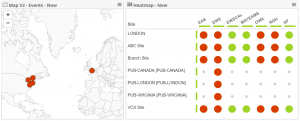
The OpsRamp winter release delivers greater service-centricity and context for hybrid infrastructure management with intelligent incident management and cloud native monitoring. The January 2019 release features innovations such as a new UI for service maps, enhanced AIOps capabilities and cloud native monitoring features.

Sumo Logic Expands into Japan to Support Growing Cloud Adoption

In October of last year, I joined Sumo Logic to lead sales and go-to-market functions with the goal of successfully launching our newly established Japan region in Tokyo. The launch was highly received by our customers, partners, prospects and peers in the Japanese market and everyone walked away from the event optimistic about the future and hungry for more!

A Detailed Guide to PHP Debugging

If you use PHP or you find yourself “adopting” a PHP app (like I did a few years ago), you must know how to debug PHP. In this detailed guide to PHP debugging, you’ll see some debugging techniques that apply to almost any programming language. But don’t worry. I’ll get into the specifics that apply to PHP, from the basics all the way to fully integrated debugging techniques. Let’s start with a basic technique in PHP debugging: outputting and logging values.

What Are the Benefits of Monitoring Event Logs?

If you maintain a regular practice of keeping log data, you probably have an established way of observing event logs in real time or you do it by using batch processing. There are two ways you can monitor event logs: manually and automatically. By monitoring event logs, you can gain deeper insight into system metrics, localize process bottlenecks, and detect security vulnerabilities. What are some other advantages of event log monitoring, and how can you get the most out of it?

Log Timeline: It's About Time

Many of our customers want a simple way to see how often an event happens. In the past, LogDNA’s graphing capabilities helped to fulfill this need, but it took you away from your current log context and often forced you to recall a specific query in order to reflect the correct graph. When you are troubleshooting with constantly changing queries, it can be cumbersome to do this. We are excited to announce Timeline, now available alongside your logs in the log viewer.

Office 365 Suffers Multiple Outages for Start of 2019

Unfortunately, Microsoft and Office 365 suffered their second major outage of the year and this one was even bigger than the first. We say “unfortunately” because even though our business is to help monitor cloud and SaaS services and our business goes up when there are problems, we don’t wish an outage on any cloud provider. Operating a SaaS business at the scale of Microsoft Office 365 is a herculean task and that’s why they get paid the big bucks.

Escalations and Maintenance Windows Are Critical to Downtime Response

Uptime.com includes several advanced check options to provide the flexibility organizations need in creating a response plan to downtime. Maintenance and planned downtime for patches and updates don’t typically create severe downtime events. With escalations, teams have an automated alert system that contacts designated senior-level personnel with relevant technical data.