Operations | Monitoring | ITSM | DevOps | Cloud

Coding with Confidence - CloudBees + Honeycomb

DevOps, Observability, Continuous Delivery, Test in Production, Chaos Engineering, and Software Ownership are all major themes in software development today, but why? In an ideal world, we get everything right the first time, nothing breaks, no one DDOS’ us, and the weather report is “Cloudy With A Chance of Meatballs.” Reality of course is different – and better, to be honest.


Improving MSP Incident Alert Management

Improving MSP Incident Alert ManagementAs the big game approaches this Sunday, I’ve been thinking about the NFL’s introduction of instant replay and how it makes the league much more enjoyable! Whether you’re rooting for the Patriots led by Tom Brady … or the Rams, you can’t deny that instant replay makes every Super Bowl much more efficient and adds more clarity to the game.

5 Security Best Practices for Network Devices

It’s a sad but common truth that not all network devices are built with security in mind. Some ship with default credentials like admin / admin, with SNMP set to public, or with operating systems that haven’t been updated in years. As with any other device, it’s important to practice good hygiene when managing network devices. Good hygiene means things like keeping firmware up to date, changing credentials away from the defaults, and refreshing end-of-life hardware and software.

The 4 Requirements of a Better Digital Experience

Better employee experience drives better business outcomes1. The result? Technology is no longer the driving force of IT — instead, the end-users’ digital experience is the key to unlocking business value and driving ROI. The challenge? Mending the gap between traditional metric-based monitoring and the need for real-time, contextual data about the end-user experience. Here’s how to get started.

How to Configure a Multicast Linux Network

In a world where consumer-level computing technology has been largely dominated by Windows, many users remain unaware of the need for administrators to configure and maintain network hardware and environments based on the Linux operating system. But Linux in its various distributions and the Unix operating system from which they derive have for decades provided the backbone for the core systems that make consumer-level computing and indeed many aspects of daily life possible.

Why ITOps still suffers from alert fatigue

It takes a lot of time, effort and money to configure centralized monitoring. Making it all the more frustrating that those carefully crafted alerts will probably just end up being ignored. So why has the whole of ITOps collectively decided to banish your monitoring alerts to their junk folders? The simple answer: alert fatigue.

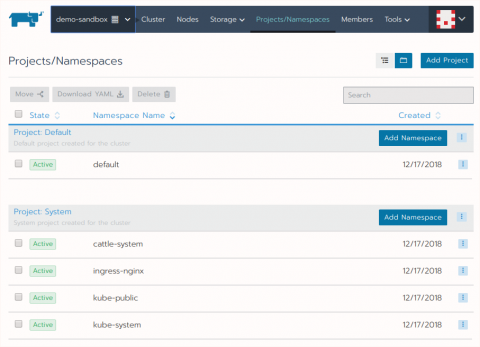
Introduction to Kubernetes Namespaces

Kubernetes clusters can manage large numbers of unrelated workloads concurrently and organizations often choose to deploy projects created by separate teams to shared clusters. Even with relatively light use, the number of deployed objects can quickly become unmanageable, slowing down operational responsiveness and increasing the chance of dangerous mistakes.

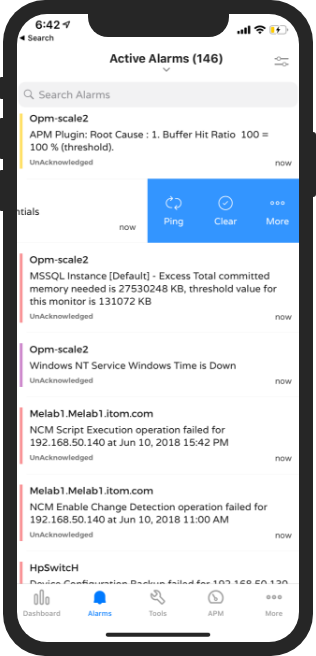
Become an eagle-eyed network admin using OpManager's push notifications

The secret to exceptional network management is periodically identifying and diagnosing network problems. Putting your experts at the network operations center (NOC) all day watching for a device to go down isn’t the best use of your workforce’s time. There has to be a smarter way to view potential network pitfalls without being glued to the chair in your NOC.