This is the first part of a blog post series about bytecode transformations on Android. In this part we’ll cover different approaches to bytecode manipulation in Java as well as how to make it work with Android and the Android Gradle plugin. In the next two parts we’ll dive into the actual bytecode, bytecode instructions and how we can modify the bytecode and inject our own instructions, using Room as an example.
This post will be updated over the next several days. Recently, a Remote Code Execution vulnerability was discovered in the Apache Log4J library. This vulnerability, which is tracked in CVE-2021-44228, dubbed Log4Shell, allows attackers to execute arbitrary code on affected systems. While HAProxy Enterprise, HAProxy ALOHA, and other products within the HAProxy Technologies portfolio are not impacted by this (they do not use the Log4J library at all), you can use them to block the attack.
The recent Apache Log4j vulnerability CVE-2021-44228 dubbed Log4Shell is a big deal. By now there is no shortage of blogs, other write-ups, and analysis about why this vulnerability is an urgent issue and why there is a very good chance it applies to your environment. Here are some of the articles that dive into the gory details on this CVE.
Over the last few days, there have been a tremendous amount of posts about the Log4j 2 vulnerability, with Wired going so far as claiming that, “the internet is on fire.” Tl;dr: LogDNA is not exposed to risk from the Log4Shell vulnerability in Log4j 2 at this time. If that’s all you came for, you can stop reading here. If you want to learn more about the vulnerability and how LogDNA protects you from risks like these, grab a cup of coffee and read on.
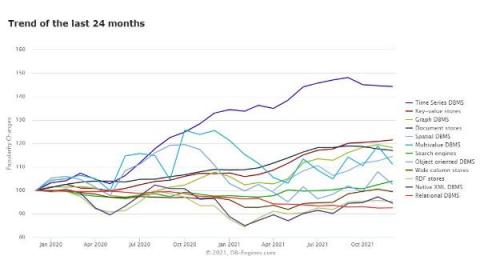
Time series data is becoming vital, from IoT devices’ sensors to financial processing. The data collected from these sources can help in sales forecasting and making informed decisions about marketing and financial planning. In this article, you will learn about InfluxDB, one of the most efficient time series databases currently available, and explore how to use InfluxDB with Java.
One of the nicest things about Byte Buddy is that it allows you to write a Java agent without manually having to deal with byte code. To instrument a method, agent authors can simply write the code they want to inject in pure Java. This makes writing Java agents much more accessible and avoids complicated on-boarding requirements.
We just announced the creation of a new RemoteWrite SDK to support custom metrics from applications using several different languages. This tutorial will give a quick rundown of how to use the Java SDK. This SDK – like the others – is completely free and open source, and is meant to apply to any output destination, not just Logz.io.
Spring Boot is the most popular Java framework, with over 50 percent of developers using it. Java engineers working in the spring framework can deploy web applications quickly, without the need for a separate server. Spring focuses on speed, simplicity, and productivity. It uses Inversion of Control, or IoC, and dependency injection to increase modularity and enable loose coupling. Spring Boot builds off of the spring framework.