We're SOC 2 Type 2 compliant!
We’re breaking some exciting news on the security front for Checkly, focused on SOC II Type 2 compliance.


In today’s world, data is king. Companies and organizations are generating vast amounts of data every day, and they need a way to store, manage, and organize that data. This is where cloud storage solutions like Azure Blob Storage come into play. Azure Blob Storage is a scalable, secure, and cost-effective cloud storage solution that allows you to store and retrieve large amounts of unstructured data. One of the key features of Azure Blob Storage is metadata.
Modern retail businesses have a lot on their plates. IT infrastructure needs to work spotlessly to provide exceptional user experiences. Even the tiniest system bug can result in shopping cart abandonment and bring the workflow to a standstill. Instead of waiting hours for an IT technician to arrive and fix the problem, tech-savvy retail businesses rely on you – a remote IT support provider.
As businesses now rely on technology to carry out most, if not all their operations, the volume of IT issues that arise on a daily basis has grown significantly. From large corporations to small startups, operations are primarily run via a digital workplace that encompasses a huge variety of technology, such as Microsoft Office, Zoom, Google Meet, MS Teams, Salesforce, and many more.
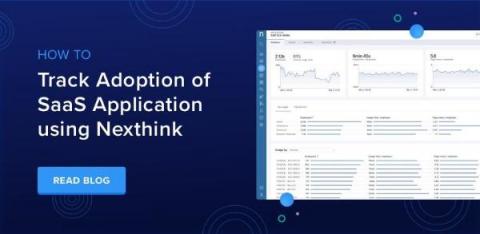
Digital transformation is complex, and software license costs can balloon your IT budget. Nexthink helps your team track adoption of SaaS applications, so you can make data-driven decisions to lower costs or speed digital transformation. In this blog, you’ll learn how Nexthink helps IT teams like yours evaluate application adoption and increase usage.
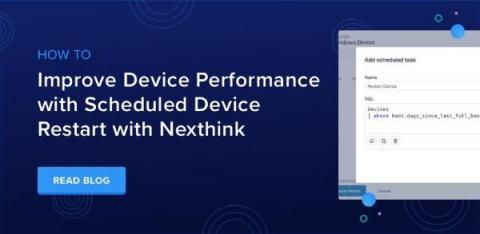
When devices are not rebooted frequently, it can adversely impact the Logon and Extended logon duration and affect device memory and device performance. This can lead to missing critical patches and Windows updates causing performance and security issues, Hence, scheduled restart of the device once in 7 days is a recommended best practice. Let us look at How to Improve Device Performance by doing a scheduled restart with Nexthink.
With artificial intelligence and machine learning in the news of late, what might they mean for cloud computing? Michael Vitale explains how we’re positioning these technologies to benefit our customers.