Operations | Monitoring | ITSM | DevOps | Cloud




Kafka and Flink in Lottoland

Network Nickels and Dimes: Government IT on a Budget
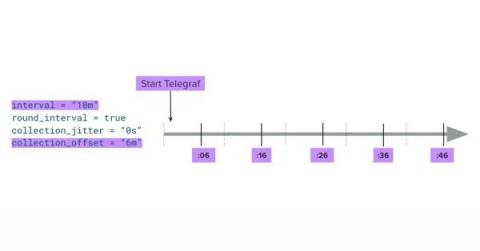
How to Time Your Data Collection with Telegraf Agent Settings
Many Telegraf and InfluxDB users often spend a lot of time finding that perfect balance of getting the data they want in while not writing in too much data that they have to deal with unnecessary data in their database. This blog post will give you a better understanding of Telegraf’s data collection settings and help you fine-tune your configuration.

The Pros and Cons of Embedded SREs
To embed or not to embed: That is the question. At least, that’s one of the questions that companies have to answer as they decide how to implement Site Reliability Engineering. They can either embed SREs into existing teams, or they can build a new, separate SRE team. Both approaches have their pros and cons. The right strategy for your company or team depends, of course, on your needs and priorities.

Five Key Monitoring Capabilities for Top Payment Gateway Performance in E-commerce Applications
Payment gateway outages and performance issues have a disruptive effect on your business. When customers cannot complete a transaction, it leaves them frustrated and anxious. Even if it is not an outright outage, customers are wary of a flaky payment experience. They are often reluctant to retry the transaction for fear of being charged twice. This results in abandoned purchases and lost revenue.
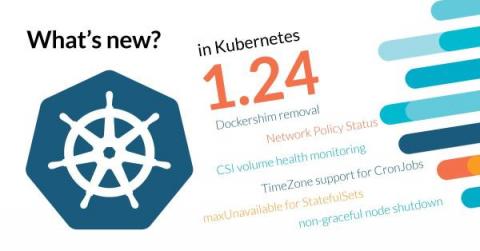
Kubernetes 1.24 - What's new?
Kubernetes 1.24 is about to be released, and it comes packed with novelties! Where do we begin? Update: Kubernetes 1.24 release date has been moved to May 3rd(from April 19th). This release brings 46 enhancements, on par with the 45 in Kubernetes 1.23, and the 56 in Kubernetes 1.22. Of those 46 enhancements, 13 are graduating to Stable, 14 are existing features that keep improving, 13 are completely new, and 6 are deprecated features.

The Bird is the Word: Getting Up and Running Fast on Humio, by Crowdstrike
I’ve been in the log data analytics space for years, and I have loved seeing the technology and methodologies change and evolve. One of my favorite changes has been the emergence of index-less solutions, and Humio has a great solution here. If you haven’t heard of Humio, you should check out their index-less log management solution for yourself (free up to 16 GB/day too).
Build cloud infrastructure from your CI pipeline with Pulumi
Modern software systems are complex, with services distributed across data centers, in many zones, all around the world. Gone are the days when we managed individual servers dedicated to our organization, comfortable with the knowledge of the unique quirks of our setup. Now we rely on others to manage massive data centers where we borrow small slices of virtual space on shared hardware, traveling over shared networks, all in a system we call the cloud.
Where are Monitoring Tools Headed? Help from Innovation Insight for Observability by Gartner
Enterprises are getting fed-up with their existing system monitoring tools. Despite decades of investments in monitoring tools, many businesses fail to notice a problem in their digital services until a customer calls to complain about it. So, it’s no surprise that businesses are looking for better solutions, and this has sparked an increasing interest in observability, according to Gartner in its updated report, “Innovation Insight for Observability.”