CI/CD Pipeline for Kubernetes with the JFrog Platform
Discover how to automate your CI/CD process for cloud-native applications with the JFrog Platform. Deploying your application on your K8s clusters after each commit has never been easier!


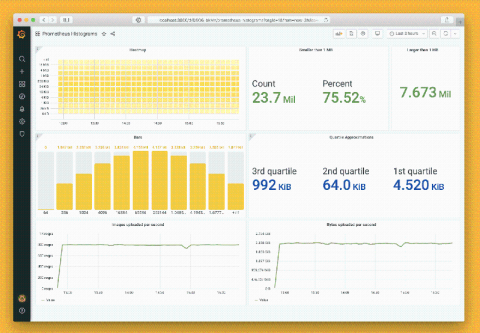
Do you have a Prometheus histogram and have you asked yourself how to visualize that histogram in Grafana? You’re not alone. Here, we will show you how it’s done. This post assumes you already have a basic understanding of Prometheus and Grafana and it will look at Prometheus histograms from the perspective of Grafana 7.0.
Tag mutability can introduce multiple functional and security issues. In container land, tags are a volatile reference to a concrete image version in a specific point in time. Tags can change unexpectedly, and at any moment. In this article, we’ll learn how we can prevent them.
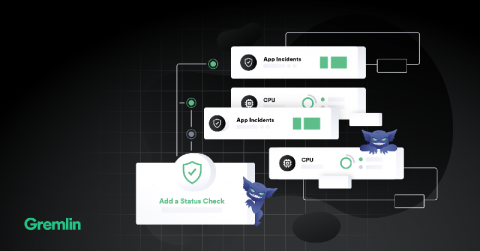
One of the most important aspects of any Chaos Engineering program is knowing that every experiment is being run safely. And one of the simplest ways to ensure safe experiments is by having safeguards that prevent running chaos experiments on a system that is unhealthy or has an incident in progress. Today, Gremlin is excited to announce Status Checks, which run before you kick off a Chaos Engineering Scenario in order to verify your system is in a steady state.