The term DevOps is a combination of the words “development” and “operations.” In practice, DevOps is a collaborative approach to the work that is performed by an enterprise’s IT operations staff and their application developers. Collaboration and communication between these two teams, who might otherwise function separately, are meant to increase the speed and quality of product or application releases.
Metrics are the cornerstone of an observable system – they tell you a system’s measured outputs, granting visibility into what your customers are experiencing and when there’s a problem. However, not all methods for recording and saving metrics from a system’s output are alike. The best method for shipping your system’s metrics to Grafana Cloud depends on many factors, varying from the source of your metrics data to your familiarity with observability tools.
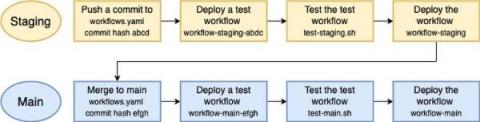
GitOps takes DevOps best practices used for application development (such as version control and CI/CD) and applies them to infrastructure automation. In GitOps, the Git repository serves as the source of truth and the CD pipeline is responsible for building, testing, and deploying the application code and the underlying infrastructure. Nowadays, an application is not just code running on infrastructure that you own and operate.
Mattermost v7.3 is generally available today. The following new features are included.
Public cloud can deliver significant business value across infrastructure cost savings, team productivity, service elasticity, and DevOps agility. Yet, up to 70% of organizations are regularly overshooting their cloud budgets, minimizing the gap between cloud costs and the revenue cloud investments can drive.
DORA metrics are becoming the industry standard for measuring engineering efficiency, but where did they come from? We talk a lot about DORA metrics here at Sleuth — what they are and how to measure them. But we haven’t shared much about the context of DORA metrics — their history and why we use them. So let’s do that. This article provides a summary.
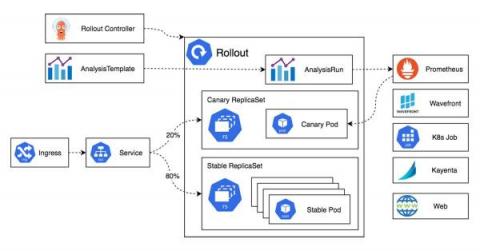
In an ideal world, developers would be able to release new products and features from development environments into production extremely fast while also not having to stress about breaking prod. Achieving this combination of development speed while also maintaining software reliability requires having the right toolchain and automation in place.