Operations | Monitoring | ITSM | DevOps | Cloud

Support for Database Performance Monitoring in Node

Performance monitoring is great because it lets you see whether your application is fast or slow, and which parts need speeding up. For Node developers, those “parts” are most often endpoints handling incoming requests. Since the introduction of our performance monitoring offering in July 2020, Node devs have been able to use the Sentry SDK, @sentry/node, to measure the total time it takes to process each request, but we made some significant improvements since then.

Kubernetes Namespaces: A Practical Guide

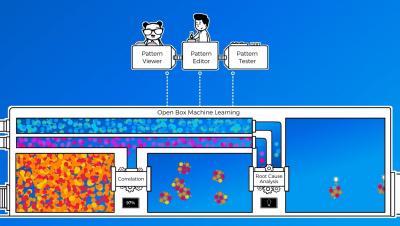
Kubernetes namespaces enable you to organize cluster objects, such as applications, devices and variables. Once you define namespaces, you can use this classification to filter, group and manage objects. You can use the same namespaces in duplicated environments and apply policies to specific clusters segments. Kubernetes namespaces are also important for defining roles and ensuring proper access configuration. If you're monitoring Kubernetes, you should try out MetricFire.

What do dog's pondering and "Observability" have in common?

Observability is arguably the tech buzzword of the year. Whether or not you believe the hype, observability is all about how to ensure overall system health and deliver reliable customer experiences. This is done by observing the system, and when a problem arises, using real-time analytics to quickly help identify the what, where, and why of the problem. In this video, Sumo Logic co-founder and CTO Christian Beedgen takes a closer look at: In addition, the video features a live demo of Sumo Logic’s end-to-end observability solution.

Achieve Business Objectives with Data Driven Observability - Webinar

Modern financial services company Snoop uses open banking and artificial intelligence (AI) to analyse customers’ transactions and spending. But as the volume, variety, and sensitivity of data it manages increases, so does the complexity. Watch this “fireside chat” style webinar to learn how to gain unified visibility across your Amazon Web Services (AWS) infrastructure. Listen as experts from Snoop, Sumo Logic, and AWS share tips and tools to help you glean game-changing insights in real time, economically, and at scale.

Why you should take the 2020 Puppet user survey

We want to hear directly from you about your experience using Puppet products so we can ensure our portfolio rises to the demand of our customers. Take this survey to share your expertise with us. At Puppet, we’re dedicated to innovating the most modern, easy-to-use, secure and compliant products for our customers to ensure practitioners can simplify their workflows and enterprises can meet their business goals. Your input is extraordinarily valuable to us.

Ensuring a smooth Kubernetes Dockershim Deprecation with Chaos Engineering

Trying to improve the reliability of your Kubernetes deployment? Start with these 5 chaos experiments. Kubernetes 1.20 is scheduled to be released next week, and this version contains a number of amazing enhancements including graceful node shutdown, more visibility into resource requests, and snapshotting volumes. But the change generating the most buzz is the deprecation of Docker as a container runtime.

Splunk TV - Companion App

Introducing Splunk TV Companion, the iPad app that lets you manage all your Splunk TVs, anywhere in the world, all from one place. Centralize content control of your TV displays on your iPad, and remotely display dashboards to any Apple, Android, or Fire TV. Whether you have several TVs in a single location or are remotely managing a collection of TVs across the globe, use Splunk TV to coordinate your workforce around important events from a central location and effortlessly bring dashboards to the attention of those who need it.

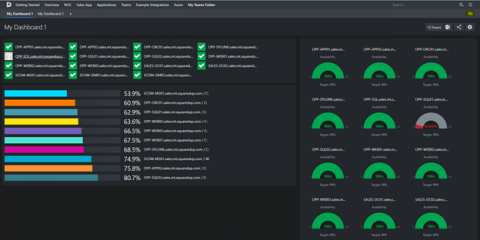
Control access with Teams Folders

If you work in monitoring, you know how important it is for the right people to see the right data. Too much irrelevant data creates a flurry of alerts that hinders productivity, and missing out on key data leads to visibility issues. Worst of all is when you get the wrong people tinkering with data that belongs to other teams.