Insight and ergonomy for the smart security analyst. Since the performance overhaul of the last release, we’ve concentrated our efforts to bring you additional refinements to the accuracy and information value in Flowmon ADS 11.1.
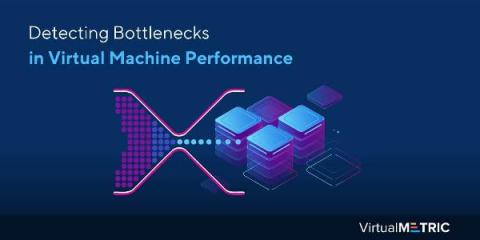
No matter the application or strengths of your Virtual Machine, it must rely on the resources you provide. In such a scenario, it is common to run into bottlenecks and performance issues that can undermine your operations’ productivity. Often, these bottlenecks present challenges to the team as frequent issues pose risks to the operation’s health.
This article aims to teach readers about K3s, its relation to kubernetes, and delves into the ways in which Relay uses these technologies. In this article, we refer to you, the reader, as a developer learning about k3s, kubernetes, and other cloud-native tech. Enjoy!
The ability to detect and alert performance issues quickly is key to reducing the Mean Time to Resolve (MTTR). Proactive monitoring will catch incidents early on but triggering the right alerts and notifying the relevant incident management team is just as critical. Enterprises rely on multiple disparate tools to monitor different systems so there is a lot of data and noise generated which can render incident management inefficient.
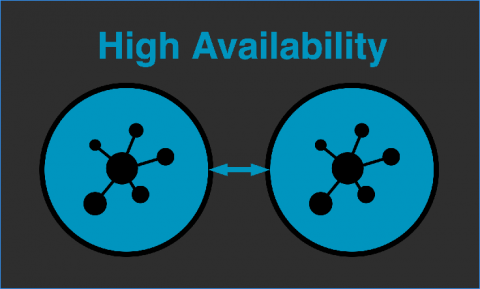
When getting started using Icinga 2, it is often enough to use a single master instance. But if your monitoring is business critical, you don’t want to rely on a single master being online. This post will guide you through setting up Icinga 2 with two masters in HA mode.
We are super excited to share that we are currently testing and in the process of rolling out a new desktop global navigation to all of our users. Things that are clear in retrospect often emerge from ambiguous and humble beginnings. Initially built as a simple on-call management tool for IT responders, PagerDuty has evolved into an end-to-end, enterprise-grade digital operations platform.
Centreon is a solution for monitoring applications, systems and networks, based on Nagios source code. On 1st August, 2005 the company Merethis (now Centreon) was founded and began working on “their” Nagios version, calling it Oreon. In July 2007, the Oreon software changed its name to Centreon due to a name conflict with Orion (a component of the SolarWinds monitoring suite).