SIGNL4 Scheduling Tips and Tricks
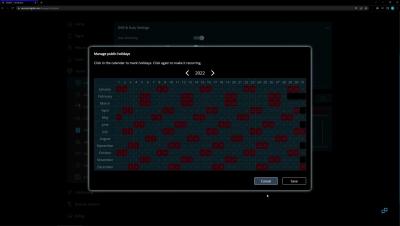
A quick video detailing some of the tips and tricks of the SIGNL4 scheduling tool to help you fully utilize the power of the tool.


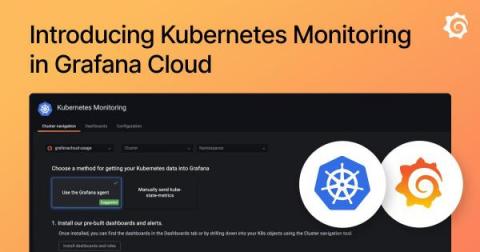
Kubernetes has quickly become the standard container orchestration technology for developers and companies who want to deploy at scale, iterate quickly, and manage a large number of applications and services. At Grafana Labs, we recognized the need for something more powerful for our users to be able to successfully keep an eye on everything happening inside their clusters.
As announced in past blog posts, Kubewarden has 100% coverage of the deprecated, and soon to be removed, Kubernetes PSPs. If everything goes as expected the PSPs will be removed in Kubernetes v1.25 due for release on 23rd August 2022. The Kubewarden team has written a script that leverages the migration tool written by AppVia, to migrate PSP automatically. The tool is capable of reading PSPs YAML and can generate the equivalent policies in many different policy engines.
The community has spoken and the demand was clear: “BRING BACK THE INTERACTIVE SHELL USED IN 1.X” So it’s back… It works with InfluxDB V2… and has some improvements. The interactive shell allowed users to write data and interactively query data using InfluxQL. For newer users, InfluxQL is the SQL-like query engine that was native to the first major version of InfluxDB.
As more businesses generate and process data at the edge, the need to share data from edge nodes to a centralized cloud location increases. Replicating data from the edge to the cloud ensures consistency across an entire application and creates an uninterrupted historical record that preserves the critical context of time. Edge Data Replication (EDR) is a feature available in InfluxDB designed to address this challenge.
What’s your web browser of choice? Ask an office full of workers that question and you’ll get a few answers, sure, but one has emerged as a clear favorite: Google Chrome. Holding a collective 60% of the market share in 2021, Chrome has separated itself as the preferred web browser for the general public and modern employees. Here’s the problem: a majority of businesses still set other browsers (predominantly Safari or Firefox) as the default browsers for their employee devices.