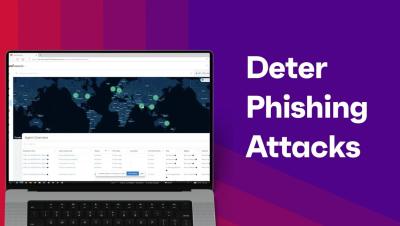
Now that most people are familiar with and thus able to avoid standard phishing attacks, malicious actors have shifted to something more insidious. Email spoofing is an attack in which attackers impersonate someone the target knows, is a much more subtle way to compromise a user’s credentials or device. Like phishing, however, once you know the signs of a spoofed email and train other users on how to spot them, addressing the issue is often straightforward.
When you choose to work with another organization, for the sake of your reputation and security, you need to carefully vet each organization before finalizing the decision. Choosing a vendor with which to do business relies on that vendor ranking highly on a vendor risk assessment, which occurs when that vendor practices robust security, ensures compliance with local regulations, and implements effective policies and procedures to ensure smooth daily operations.
DevSecOps is a philosophy that integrates security practices within the DevOps process. DevSecOps involves creating a ‘security as code’ culture with ongoing, flexible collaboration between release engineers and security teams. The main aim of DevSecOps is to make everyone accountable for security in the process of delivering high-quality, secure applications. This culture promotes shorter, more controlled iterations, making it easier to spot code defects and tackle security issues.
In recent years, the number of cyberattacks has increased dramatically. These attacks can be costly and disruptive, and they can even lead to the loss of sensitive data. Patch management is one of the most effective ways to prevent these attacks, as it can help to close security vulnerabilities that cybercriminals can exploit. However, patch management can be a complex and challenging process.
We’ve all seen it: a company experiencing a major incident and going radio silent, leaving their customers to wonder “Are they doing something about this?!”. If you’ve ever been on the inside of something like this, you know the answer is most likely yes, there are people working hard to put out the fire as quickly as possible. But when it comes to incidents, perception is reality for customers.
DCIM is not a static field, but rather a dynamic one that evolves with the changing needs and challenges of data center operations. In this article, we will explore the top 5 trends that are shaping the future of DCIM software and how they can benefit data center operators and users.