Operations | Monitoring | ITSM | DevOps | Cloud

How Does Docker Network Host Work?

Docker is a platform as a service product. With Docker, you can easily deploy applications into Docker containers. Containers are software "packages" that bundle together an application's source code with its libraries, configurations, and dependencies. This helps software run more consistently on different machines. To use Docker containers, you need to understand how Docker networking works. Below, we'll answer the question: "what is Docker network host?". We'll also take a look to see how it works.

Our fully-redesigned incident response experience delivers a more intuitive workflow

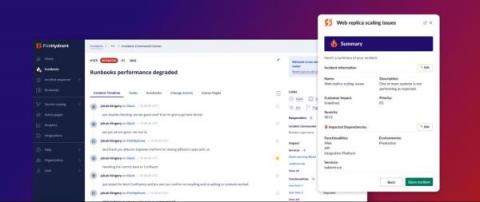
Today we’re releasing fully redesigned Slack and Command Center experiences for FireHydrant so anyone on your team can intuitively navigate the incident response process — in the app or on the web. There are many things you can do ahead of an incident to help things run smoothly: design and document your process, automate predictable steps, train the team, and run drills.

Default Pull Request Tasks

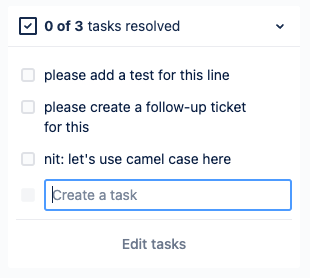
There are multiple ways to create a task on a pull request. They can be added from the sidebar, top-level pull request comments, file-level comment or inline comments. Once created, they all appear in the sidebar. On any repository, merge checks can be configured for any branch to only allow merging if all pull request tasks are resolved. This is a very useful functionality if some tasks are critical to be resolved before changes are merged.

Slow Application? Here's What to Do

Today, everything we work on relies on being connected to an app. Whether we are in a household or running a business, applications have become as accessible as air. Alright, almost like air. If your business relies on applications to survive, a Slow Application spells disaster. Getting to the bottom of the slowdown becomes a tedious exercise of pointing fingers and going down the rabbit hole. Even worse is if it affects a business’ customers.

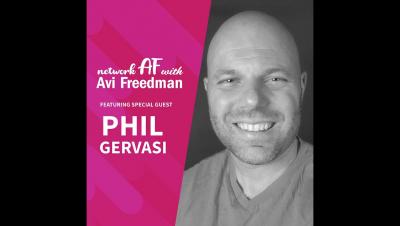
Phil Gervasi on Network Observability and Cisco Live | Network AF Episode 20

Phil Gervasi, Kentik's Head of Technical Evangelism stops by Network AF today to speak with host Avi Freedman about all things network observability and to recap their experiences at Cisco Live. Phil was a network engineer for 15 years before switching to marketing and finding his way into technical evangelism. In this conversation the two focus on building a foundation for data mining and collecting information that could better inform network intelligence and insights from observability platforms like Kentik.

Voice Network Fraud: How to Fight Back with Automated Threat Prevention

Telecommunications fraud is estimated to be a $39 billion a year problem according to the Communications Fraud Control Association. Despite that, less than 50% of enterprises* have implemented any sort of strategy to address fraud in their voice infrastructure. Firewalls and SBCs are not enough to provide a secure voice network. Enterprises need a more complete approach to network security—one that encompasses the unique vulnerabilities of real-time communications systems—to preempt issues and protect the organization as a whole.