Operations | Monitoring | ITSM | DevOps | Cloud

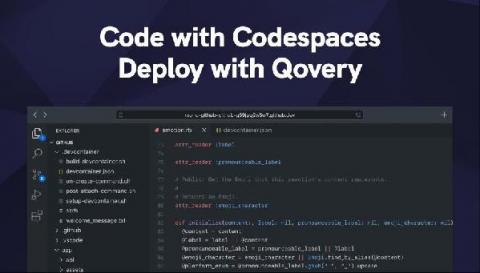
Code with Codespaces and deploy with Qovery

12 years ago, when I started to work as a Developer, I would not have bet that I will write software and manage infrastructure right from my browser one day. At the time, web IDE did not exist. And managing infrastructure from the browser was super early. Today, it is all possible, and the future looks bright! I am proud to announce that you can edit your code via GitHub Codespaces right from Qovery. Take a look at this short introduction video. Happy coding!
Optional arguments with getopt_long(3)

I recently had a minor task involving changing an option - on one of our command line tools - from taking a required argument, to taking an optional argument. This should be easy they said; just change the respective option struct to take an optional argument, add a colon to the optstring, and get on with your life. Well, it proved to be easier said than done. My initial expectation was that a solution similar to the one below should just work. And it does work, just not in the way I expected.

Is Data the biggest barrier for AIOps adoption?

Much like oil, data that is available in a raw form is not useful at all. It has to go through various steps before AI/ML could touch it and derive valuable!! Check out the latest video by Shyam Sreenivasan, where he talks about DataOps and why you should automate your data pipelines to run AIOPS at scale.

New Solutions to New Observability Needs

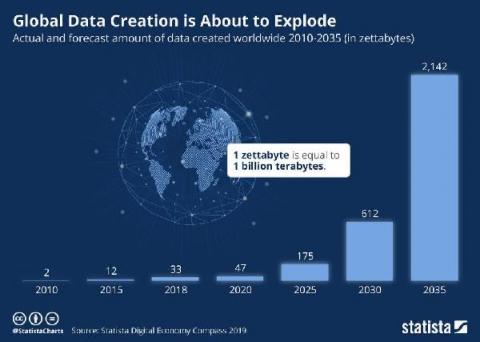
“Observability,” is the process in DataOps of recording data generated by digital systems as they go about their processes. There are some great companies in the observability space, generating a whopping $17 billion annually, and contributing a significant portion to the modest 2.5 quintillion bytes of data created every year.

Verify GKE Service Availability with new dedicated uptime checks

Keeping the experience of your end user in mind is important when developing applications. Observability tools help your team measure important performance indicators that are important to your users, like uptime. It’s generally a good practice to measure your service internally via metrics and logs which can give you indications of uptime, but an external signal is very useful as well, wherever feasible.

Monolithic vs Microservices Architecture

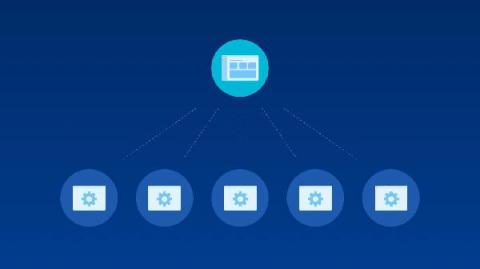
Microservices are an accelerating trend thanks to rousing endorsements from the likes of Google, Netflix, and Amazon. The microservice architecture is advantageous for it’s scalability, agility and flexibility. In contrast, the monolithic approach is the traditional tried-and-true model for building software. It’s much easier to debug and test. But how do you know which approach is best for your organization?

You Can Only Fix What You Measure (So Measure What You Want to Fix)

Recently, my colleagues Pete Di Stefano, Ashley Adams, and I hosted a webcast on the topic of capacity planning and optimization. You can listen/watch it here, it was a really fun conversation. As part of the discussion, we talked about the need to measure the right things to get the correct outcome. Keep in mind my oft-repeated mantra: monitoring is simply the collection of data. You need a robust, mature tool to add context, which transforms those metrics into information.