Operations | Monitoring | ITSM | DevOps | Cloud

Secret Manager Integration: One Source of Truth for Humans and Agents.

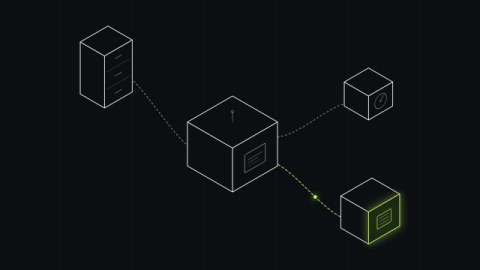
Production secrets should live in one place and stay there, whether your next deployment is triggered by a developer or an AI agent. The Secret Manager integration connects AWS Secrets Manager, AWS SSM, or GCP Secret Manager to Qovery so secrets are referenced, never copied, and enterprise governance holds regardless of who deploys. Alessandro leads product at Qovery. He drives the changelog, roadmap, and product strategy - turning customer feedback into platform capabilities.

DASH 2026 Keynote

At, Datadog launched 100+ capabilities to help customers drive autonomy and manage growing AI and security complexity. From new Bits AI, log management, and security capabilities, customers have the visibility and autonomous operations they need to detect, investigate and resolve issues across the development loop and data lifecycle. Tune in to the full keynote to catch the highlights.

Your Metrics Look Fine. Your Engineers Are About to Quit.

Developer experience predicts what's coming 3 to 6 months before it shows up in your delivery metrics. So why are most engineering leaders measuring it last? In this session, GitKraken VP of Developer Research Jeremy Castile breaks down what developer experience (DevX) actually is, how to measure it across 6 key dimensions, and how it connects to velocity, code quality, and AI impact data your team is already tracking.

The Real Cost of Custom Code: Why Buying a Unified Middleware Management Platform Protects Enterprise IT Budgets

Building custom middleware monitoring appears cost-effective but creates expensive maintenance debt, fragmented visibility, and operational risk. Enterprise teams spend 60-80% of IT budgets on software maintenance while unified platforms deliver immediate, production-ready capabilities.

The Integration Era: Why Standalone SaaS Tools Are Losing Ground

For years, the standard playbook for building a corporate technology stack was simple. Managers bought the single best tool for every specific job. This created an environment filled with isolated applications that did one task perfectly but failed to communicate with anything else around them. Today, that model is breaking down because businesses can't afford the hidden costs of disconnected data.

Why Critical Vulnerabilities Often Get Stuck in Remediation Queues

Critical vulnerabilities rarely fail because engineers can't patch. They fail because organizations can't decide. That sounds like an insult. It's a diagnosis. A queue forms when work competes, when ownership blurs, when risk turns into an abstract noun that nobody can put on a calendar. Security teams shout in numbers, CVSS, exploitability, and blast radius. Product teams answer in dates, revenue, and churn. Operations teams answer with uptime and the bitter memory of the last "quick fix" that took down production at 2 a.m. The queue becomes a diplomatic zone where everyone stays polite, and the bug stays alive.