I can't believe it's already been a year since the release of Avantra 23 in 2022. Over the past year, we've released three minor releases, 23.1, 23.2 & 23.3 that brought meaningful quality of life improvements across the entire product. We are bringing new checks, new performance optimizations, and highly requested features from our ideas portal (login needed). Additionally, there will be two new editions (Automation & Observability) so that customers can make better use of the features we have, and we have squashed 100s of bugs in different scenarios that our customers encounter in their day to day.
Today's applications demand efficient data handling to provide users with seamless experiences. One solution that has gained prominence is the use of embedded databases, which are integrated within applications rather than relying on external servers. Different from a database for embedded systems, databases embedded within applications offer several advantages for storing data and analyzing it, especially in scenarios where performance, deployment simplicity, and data security are important. Embedded databases, or an embedded database management system (DBMS), can serve a variety of use cases, but are especially valuable for applications that need to provide analytics capabilities.
Learning how to create a software implementation project plan is a worthy investment of your time. When software is effectively integrated with your existing workflows and processes, it enables your team to reap the full benefits of any given solution. A new joint survey by Mulesoft and Deloitte found that companies (with at least 1,000 employees) now use an average of 976 applications. Yes, 976 different solutions!
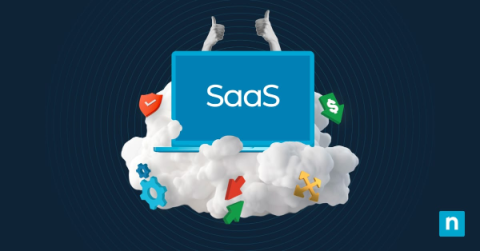
Businesses today face a myriad of challenges. Traditional on-premises IT solutions, which were once the cornerstone of the industry, are now progressively falling behind, outshined by the efficiency, security, and adaptability that SaaS-based solutions bring to the table.
Thanks for joining me for Part 3 of “The concise guide to Grafana Loki,” a series of blog posts that takes a closer look at best practices for various aspects of using the log aggregation system. Today’s post is my holiday present for all the folks out there running Loki who would like to get the most query performance they can out of their cluster.