StackState: Vision and Differentiation
StackState's CEO, Toffer Winslow, takes a few minutes to share what makes StackState's approach to observability and AIOps different from everyone else?


All businesses and organizations have assets that are essential for their success, so it makes sense that the demand for asset lifecycle management services rises every year. A SkyQuest report on the asset management market claims, “The global asset management market was valued at $250.12 billion in 2021, and it is expected to reach a value of $1113.53 billion by 2028.” Discover how asset lifecycle management works and benefits businesses around the globe.
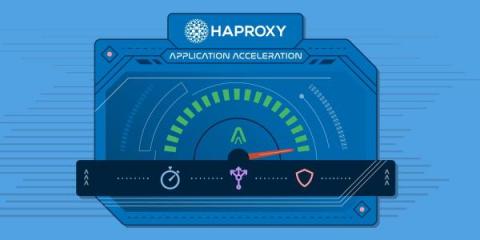
Application acceleration is all about improving the responsiveness of a digital service. When clients access web applications, they are expecting near-immediate feedback from servers. Maintaining that level of performance requires ensuring the right resources are available to process requests, shortening the information retrieval process, and maintaining system uptime by warding off threats.
We love to write and ship code to help developers bring their ideas and projects to life. That’s why we’re constantly working on improving our product to meet developers where they are, to ensure their happiness, and accelerate Time to Awesome. This week, we are covering a product release that helps all InfluxDB Cloud UI users get more from their graphs.
Managing risk and compliance in telecommunications is no easy feat. When a telecom company operates in underserved remote and rural communities—including hurricane-prone island markets and mountainous regions in the southwestern US—it can be even trickier. That’s where communications services company ATN International, based in Massachusetts, found itself. The company wanted a platform to elevate its integrated risk management (IRM) program.
Welcome to the Fall 2022 edition of Open Source Matters: our regular publication about the latest happenings in open source! Let’s dive into the news.
It may seem like ancient history, but there was a time when telecommunications companies only had to worry about connecting customers over landlines. Today, their businesses depend on vast cellular networks to not only provide strong wireless phone coverage in countless locations, but also handle the demands of tablets, computers, and machine-to-machine communications.