Operations | Monitoring | ITSM | DevOps | Cloud

How to keep your Linux disk usage nice and tidy and save space

Everyone loves a clean, tidy home (hopefully). This also includes your other home – slash home, the Linux home directory. Disk cleanup and management utilities are extremely popular in Windows, but not so much in Linux. This means that users who want to do a bit of housekeeping in their distro may not necessarily have a quick, convenient way to figure out how to get rid of the extra cruft they have accumulated over the years. Let us walk you through the processing of slimming down your home.
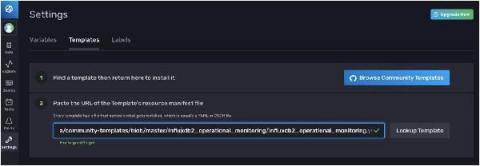

TL;DR InfluxDB Tech Tips - the Easiest Way to Use and Create InfluxDB Templates

If you didn’t already know, one of the perks of InfluxDB 2.0 is having access to templates. InfluxDB templates allow you to easily apply a variety of preconfigured resources including Telegraf configurations, buckets, dashboard, tasks, and alerts to your InfluxDB instance. In this TL;DR we’ll walk through the easiest way to use and create a template.

Recommended Server Room Temperature and Humidity

What are the ideal server room temperature and humidity levels where you store your servers? This is an important question you should know the answer to whether you are responsible for managing racks of servers or a small business owner with a single server. Servers house your data, files, and other information to make it easily accessible from any connected workstation. If the server room gets too hot or too humid, it can cause your servers to overheat and fail.

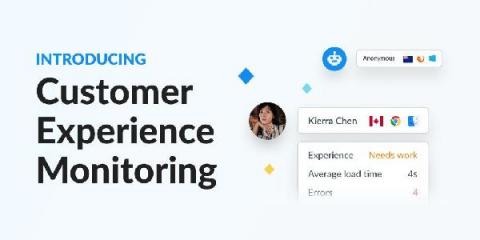
Solve issues faster with customer experience monitoring

Thousands of developers rely on Raygun to help them deliver great customer experiences every day. Software teams can spend 75% of their time debugging errors and performance problems — mostly in the manual process of finding and diagnosing them. Every busy developer should be able to reach the answers they need quickly — not just where things went wrong but which customers were impacted by errors, crashes, and performance issues.

Show your Website some Love this Valentine's Day

If you care about your website, show it some love this Valentine’s Day. RapidSpike is there, like Fred from First Dates, to keep the spark alive. We will be your relationship counsellor through the tough times with your website, from downtime to Magecart style attacks, and even the occasional website launch! They say healthy relationships are built around the pillars of trust, communication and passion.

How to Block an External Attack with FortiGate and Flowmon ADS

It’s a question we hear often - how to use Flowmon to block an attack? Flowmon is not an inline appliance to stand in the path of inbound traffic, so we partner with 3rd party vendors who supply equipment like firewalls or unified security gateways. In this post, I’m going to show you how to instruct Fortinet’s firewall FortiGate via Flowmon ADS to block traffic in response to a detected anomaly or attack.

Runtime security in Azure Kubernetes Service

Runtime security for Azure Kubernetes Service (AKS) environments requires putting controls in place to detect unexpected and malicious behavior across your applications, infrastructure, and cloud environment. Runtime threats include things like: Even if you’re taking advantage of tools like container image vulnerability scanning, Kubernetes pod security policies, and Kubernetes network policies with AKS, not every risk will be addressed.

What is Synthetic Monitoring and What Are the Benefits? | Obkio

Many traditional network monitoring solutions use a packet capture method to capture real-user data and monitor network performance. Now, modern network monitoring tools have switched to synthetic monitoring to monitor network performance without collecting user information. What is Synthetic Monitoring? It is a monitoring technique used to monitor application and network performance by simulating user activity.