Operations | Monitoring | ITSM | DevOps | Cloud

Can Observability Improve IT Ops? BigPanda's Field CTOs have the answer.

A Harrowing Landscape The increasing complexity of modern services is forcing IT Ops teams to employ a growing landscape of disparate tools to monitor the health of their IT Stack. In fact, the number of tools has grown so much in the last few years, that one wonders how IT Ops teams are even able to effectively configure, maintain, ingest, and process all the events that these tools create.
Unraveling Real-Time Health System to Address COVID-19 Challenges

The overarching vision of a real-time health system (RTHS) is to help healthcare delivery organizations (HDOs) move past the complexities of the digital era and align their resources to deliver value to patients, reaping the benefits of a more streamlined and efficient orchestration in the process.

Tip of the Day - Beyond Alerts

Alerts are one of the main reasons why we monitor. Having a robust Alerting Tool can ensure proactive notification of issues and allows for quick access to the data required to troubleshoot the issue(s). This video provides insight into the Catchpoint Alert Monitoring solution, showing you what to do after the Alert along with some very helpful links to make sure you've configured your Alerts so they provide the information you need.

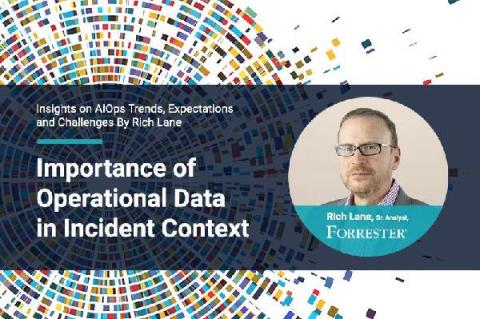
Importance of Operational Data in Incident Context

Network/Security Operations Center (NOC/SOC) engineers and service desk personnel are tasked to process numerous incidents as quickly as possible. However, to resolve an incident they are required to to perform various activities including collecting various operations data including metrics, logs, traces and more from different tools. In many cases, the process also involves coordinating with other IT personnel or creating a war room to bring the incident to closure.

Oncall and COVID-19 Survey Results

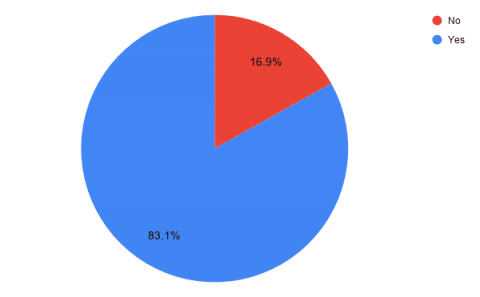
One of my concerns as COVID-19 took hold in the US was what the impact on teams that are oncall in tech would be. It can be extremely challenging to be oncall during a “normal” time, and this has been anything but normal. So, I decided to create a survey to learn more about what people’s experiences have been. The survey was conducted from April 8 to April 27, 2020, via a Google Form. It was anonymous and had 141 respondents.