Aiven's Open Source Program Office
Find out about what we do at Aiven’s OSPO, the projects we own and the projects we contribute to on a daily basis.


A look at what Parquet is, how it works and some of the companies using its optimization techniques as a critical component in their architecture. As the amount of data being generated and stored for analysis grows at an increasing rate, developers are looking to optimize performance and reduce costs at every angle possible. At the petabyte scale, even marginal gains and optimizations can save companies millions of dollars in hardware costs when it comes to storing and processing their data.
Devices, developers, applications, and services produce and utilize enormous amounts of JSON data every day. A portion of this data consists of time-stamped events or metrics that are a perfect match for storing and analyzing in InfluxDB. To help developers build the applications of the future, InfluxDB provides several ways to get JSON data into InfluxDB easily.
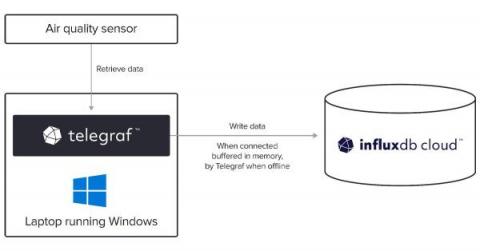
Gathering data to explore a problem with power outages creating connectivity issues and ultimately draining a laptop battery. Monitoring locations that have intermittent power and/or connectivity outages can be challenging. In this article, I’ll show how to use InfluxDB, an open source time series database, InfluxDB Cloud and Edge Data Replication to store data locally and send it to a central location whenever possible.
One of the reasons I joined Splunk six months ago was because I am convinced that data has the potential to solve some of the biggest challenges society faces. It’s safe to say that Europe faces a number of challenges at the moment. The legacy of Covid-19 and the geo-political situation in the region has had a significant impact both economically and on society as a whole. Climate change remains a major concern after a year marked by drought and extreme temperatures.
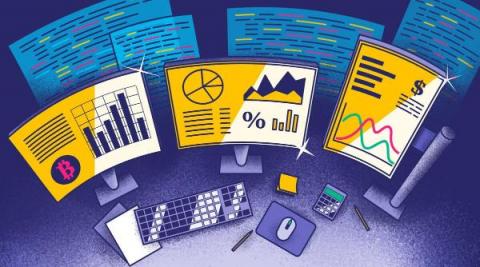
Python has staked its claim as the most popular programming language among developers worldwide. Accessible via Windows, Linux, and Mac, it’s intuitive and easy to read, and its use of maths lends itself perfectly to Python for finance and data analysis.