Operations | Monitoring | ITSM | DevOps | Cloud

Building a Telegraf Assistant - UC Berkeley Codebase

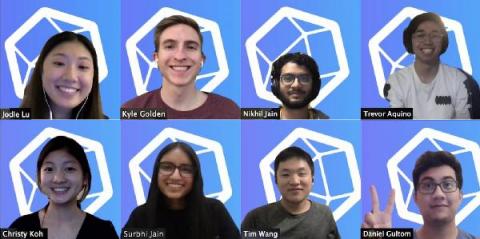
This article was written by Codebase, a UC Berkeley student organization. Hello InfluxData community! We are a team from Codebase, a UC Berkeley student organization that builds software projects for high-growth tech companies. This past semester, the eight of us had the incredible opportunity to work with InfluxData to add cloud-controlled configuration management features to Telegraf.

Introducing Cloud Cost Intelligence for Snowflake

Here at CloudZero, we work with some of the top software-driven companies out there. Like us, they’re building their products on Amazon Web Services (AWS), along with whatever best-of-breed providers meet their needs. It’s no secret that in recent years, Snowflake has seen — well, some serious success. For many companies, including CloudZero, they're the data warehouse provider of choice — and an essential component of delivering their products.

How To Report On Software Testing

Being able to write concise, easily comprehensible software testing reports is an important skill for software development team members to possess, particularly those in quality assurance, development, and support. Poorly written software testing reports can make the development process more difficult and less productive. Imagine a client asks if their app is ready for launch and based on your assessment, everything is working correctly.

Trending Aggregate Values by Downsampling with InfluxDB

InfluxDB is great at capturing many kinds of metrics and allowing end users to aggregate those metrics to custom time groupings whether you’re watching IoT devices perform at 10-minute intervals, GitHub repositories issues close over weeks, or web performance metrics over seconds. Dashboards provide that information at a glance, at precisely the intervals you’ve determined. But what about the next level?

Get to Know Splunk Machine Learning Environment (SMLE)

One of our most exciting new projects at Splunk is coming to life. Over the past year, we have been hard at work putting together our vision: a place where Splunk admins, NOC/SOC teams, data analysts, and data scientists can collaborate, experiment, and operationalize their work, all in a single environment inside the Splunk ecosystem. We call it Splunk Machine Learning Environment (SMLE).

Walkthrough to Set Up the Deep Learning Toolkit for Splunk with Amazon EKS

The Splunk Deep Learning Toolkit (DLTK) is a very powerful tool that allows you to offload compute resources to external container environments. Additionally, you can use GPU or SPARK environments. In last Splunk blog post, The Power of Deep Learning Analytics and GPU Acceleration, you can learn more about building a GPU-based environment. Splunk DLTK supports Docker as well as Kubernetes and OpenShift as container environments.

Personalizing Elastic App Search with results based on search history

With Elastic App Search, you can add scalable, relevant search experiences to all your apps and websites. It offers a host of search result personalization options out of the box, such as weights and boosts and curations. You could also add a these documents might interest you feature, which would surface additional content for users, similar to documents they’ve previously searched for. This post walks you through the process of creating this capability using the robust App Search APIs.