Operations | Monitoring | ITSM | DevOps | Cloud

The latest News and Information on Cloud monitoring, security and related technologies.

The Best Cloud Cost Allocation Methods, Explained

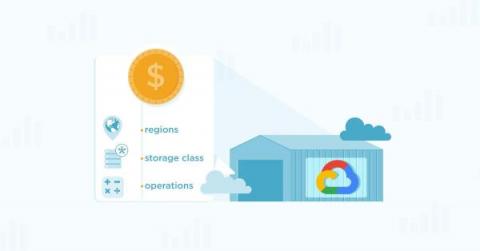
All the major cloud providers enable users to attach business context to their infrastructure in some way. This process — known as cloud cost allocation — is how companies map spend to the teams, products, or features driving it. Done well, cost allocation fuels smarter business decisions. It connects cloud bills to business value, helping teams not just control spend but also understand unit economics and margins.

How to build an awesome cloud gaming platform with Anbox Cloud

Cloud gaming is changing the way we play. Instead of buying expensive hardware, players stream games from the cloud, like Netflix for games. This is no longer a futuristic idea, it’s here. Services like NVIDIA GeForce Now, Sony PS Plus, and Xbox Cloud Gaming have shown what’s possible: playing high-end games on low-end devices by streaming all of your favorite games – from indie to AAA – from powerful cloud servers.

Rightsizing Cloud Infrastructure: Stop Leaving Money On The Table

In FinOps, rightsizing means adjusting cloud resources (instance types, number of CPUs, amount of memory, storage, databases, containers, and many other configuration parameters) to match actual workload requirements. It’s one of the most powerful levers in the FinOps toolbox, and for good reason. Consider: Average CPU utilization across Kubernetes clusters sits at just 10%, according to Cast AI’s 2025 Kubernetes Cost Benchmark Report.

Elastic Cloud Serverless on Google Cloud doubles region availability

We’re pleased to announce the availability of Elastic Cloud Serverless on Google Cloud in three new regions: This doubles the number of available regions on Google Cloud and dramatically increases serverless deployment options in the US. Elastic Cloud Serverless provides the fastest way to start and scale observability, security, and search solutions without managing infrastructure.

SquaredUp Cloud + Dashboard Server

SquaredUp Dashboard Server (DS) and SquaredUp Cloud both deliver cutting-edge data visualization for IT and engineering teams. The two products can be used independently, or together for complete operational visibility. This article explores how SquaredUp DS and Cloud differ, when to use each, and how they work together.

Cloud vs Colocation: Choosing the right solution for your business

When you’re planning your IT strategy, deciding between cloud computing and colocation services isn’t always simple. Each option comes with its strengths and potential pitfalls. And with tech at the heart of most modern operations, knowing where to house your data and infrastructure is a big decision, and one that could shape your business's future. So, which one is best for your business: cloud computing vs colocation?

Making AI Costs Make Sense: A FinOps Guide To Tagging And Tracking AI Spend

AI is reshaping the cost landscape. As a positive person, I’m going to call this change exciting! FinOps teams are integrating AI into cloud platforms and incurring the spend that comes with it. As a FinOps strategist who has helped several companies optimize cloud spend across industries, it became evident that clarity around AI spend unlocks swift, smart decisions. That’s AI … optimized.

How Data Centre Energy Consumption Impacts Business Efficiency and ESG Goals

Data centre energy use has become a critical factor in business infrastructure strategy. Once a background cost, it now plays a direct role in decisions about operational resilience, sustainability reporting, and future capacity planning. The scale of consumption is hard to ignore. Even smaller facilities can draw between 1 and 5 MW of continuous power, enough to supply thousands of homes. Larger hyperscale environments consume significantly more, 20 MW to over 100 MW of power.

What Does a Carrier Neutral Data Centre Really Mean for Your Business?

The demands placed on digital infrastructure have changed. Businesses are adding locations, connecting to cloud platforms, or responding to changing compliance requirements. Rigid network contracts and fixed provider models no longer make operational sense. Carrier neutral data centres offer a different approach. By enabling provider choice, flexible routing, and integration on your terms, they give infrastructure teams more control, and more room to move.