Operations | Monitoring | ITSM | DevOps | Cloud

The latest News and Information on Cloud monitoring, security and related technologies.

Search Telemetry Without Limits in a Multi Cloud and AI World

Cribl Search gives you one lens across all your telemetry data no matter where it lives. Instead of forcing teams to move data into one system or jump between tools, you get a familiar pipe based query experience with dashboarding and alerting built in. Storage and query processing stay separate so you decide where your data lives while your users get fast, simple access in one place.

Cloud Status Check Overview

In this video, we provide an overview of Uptime.com's Cloud Status check feature, designed to monitor the status of common cloud services within your technology stack. We walk you through the step-by-step process to configure a Cloud Status check, including how to select third-party services, add contacts, and organize checks with tags. Learn how to view incident history and get detailed updates from third-party providers. For more information, visit our documentation or contact our support team.

Vendor lock-in: not even once

Vendor lock-in remains one of the most significant concerns when choosing a cloud platform. When your data becomes trapped in proprietary formats or services, migration costs skyrocket and your flexibility disappears. This challenge affects organizations of all sizes, from startups planning for growth to enterprises managing complex compliance requirements.

What is AWS Fargate for Amazon ECS?

As cloud applications moved from VMs to containers and then to microservices, the amount of background work needed to keep everything running grew just as quickly. You gain speed and flexibility, but you also end up managing clusters, scaling rules, and capacity choices that don’t really add to the product you’re building. AWS Fargate steps in right there. It lets you run your ECS tasks without looking after any servers at all.

How Datadog Feature Flags is resilient to cloud provider failures

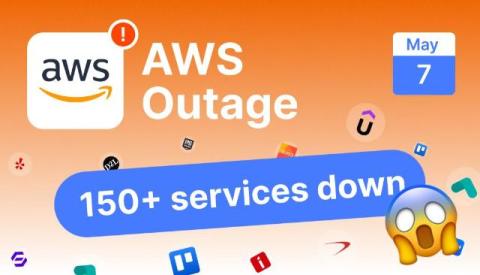
As major incidents like AWS’s October 2025 outage illustrate, modern systems are immensely interconnected. A failure in one can lead to a cascade of downstream problems. In this case, issues with DNS resolution for DynamoDB led to widespread disruptions with other AWS services and, subsequently, thousands of applications and services that rely on that infrastructure.

Introducing Honeycomb Private Cloud

More and more enterprises are shifting toward private cloud and hybrid deployments for control, data residency, and security. At the same time, observability is no longer a “nice to have” tool. It's mission-critical for teams driving rapid change across cloud-native, multi-service architectures. Leaders are realizing they need deep visibility and rapid debugging everywhere their systems run.

How to Onboard AWS & Azure Hosts in SolarWinds Observability

Connecting your cloud infrastructure has never been easier. In this quick walkthrough, you’ll see how SolarWinds Observability natively integrates with AWS and Azure to onboard virtual machines and supported managed services—fast. Select your hyperscaler Click “Add Data” → Choose “Hosts” Follow simple steps to connect your cloud environment via API Whether you're running AWS EC2, Azure VMs, or other managed services, SolarWinds helps you get visibility in minutes.

AWS Cost Categories Explained (How To Allocate AWS Spend Accurately)

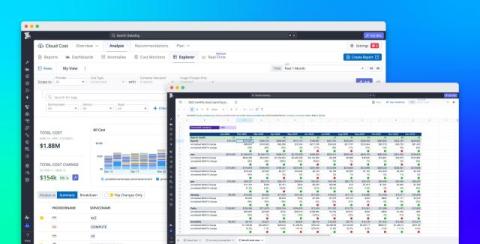
If you’ve ever tried to make sense of your AWS bill, you know how fast things get messy. Different accounts, hundreds of services, random tags, and suddenly, no one can say for sure who’s spending what or why the total looks so high. It’s not that teams don’t care about costs — it’s that AWS billing data isn’t always easy to interpret. Finance wants accountability. Engineering wants visibility. And somewhere between the two, ownership disappears.