Operations | Monitoring | ITSM | DevOps | Cloud

The latest News and Information on Containers, Kubernetes, Docker and related technologies.

Migrating from Prometheus, Grafana, and Alert Manager to Sysdig Monitor

Are you an OSS Prometheus, Grafana, and Alert Manager user thinking about migrating to Sysdig Monitor, and don’t know about the transition details? Are you wondering what the benefits are of using Sysdig Monitor instead of DIY Prometheus, Grafana, and Alert Manager? If so, then this article is for you!

Monitoring Kubernetes Object Configuration with LogicMonitor

Kubernetes has emerged as the de facto standard for container orchestration in modern software development, allowing organizations to manage and scale containerized applications easily. As a highly dynamic and distributed system, however, Kubernetes can be challenging to manage and maintain at scale. One of the most critical aspects of maintaining a stable and secure Kubernetes cluster is monitoring the object configurations and tracking the changes over a period of time.

A Kubernetes Observability Tool to Support SRE Best Practices

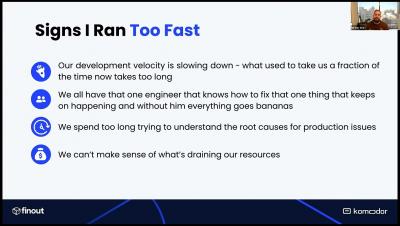
Kubernetes can be tough to troubleshoot and remediate fast, especially when you have many interdependent services. This blog, part 3 of 3 in the “8 SRE Best Practices to Help Developers Troubleshoot Kubernetes” series, describes the Kubernetes observability foundation StackState has built to support SRE best practices and enable rapid remediation of issues.

Qovery and Doppler Join Forces to Empower Developers with Next-Level Cloud Deployment and Security

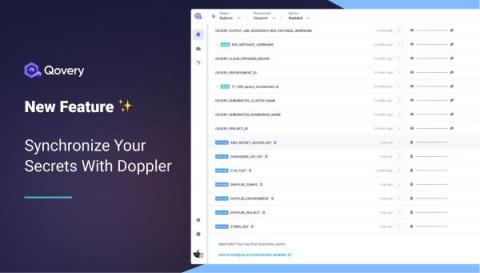
I am excited to announce the partnership between Qovery and Doppler. Qovery is an infrastructure automation platform that helps developers deploy their applications more easily, while Doppler is a fully managed SecretOps platform that enables engineering teams to better manage their environment variables and secrets.

Practical tips for rightsizing your Kubernetes workloads

When containers and container orchestration were introduced, they opened the possibility of helping companies utilize physical resources like CPU and memory more efficiently. But as more companies and bigger enterprises have adopted Kubernetes, FinOps professionals may wonder why their cloud bills haven’t gone down—or worse, why they have increased.

Turning Kubernetes into a Developer-Friendly Product

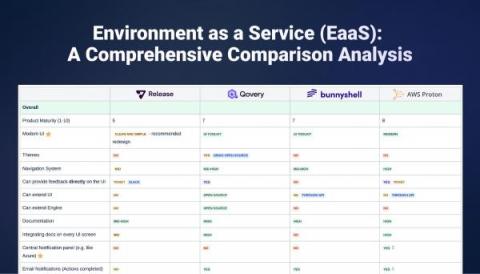
Today, I'm excited to share with you how we've turned Kubernetes into a product that developers can easily use without any headaches. We'll explore why Kubernetes can be difficult for developers and how Qovery simplifies the process by acting as an intermediate layer and integrating with the developer ecosystem.

Create a streaming dataset for Apache Kafka with Docker

Experiencing Apache Kafka without a streaming dataset is impossible, and finding streaming datasets ready to be used with Kafka is quite difficult. This video showcases how you can start creating fake streaming data in minutes using Docker. CHAPTERS ABOUT AIVEN Aiven’s cloud data platform helps your business reach its highest potential by making your data work for you. It provides fully managed open source data infrastructure on all major clouds, helping developers focus on what they do best: innovate and create without worrying about the limitations of technology.

How to migrate existing Grafana dashboards and alerts into Kubernetes Monitoring in Grafana Cloud

Kubernetes Monitoring in Grafana Cloud is already an observability Swiss Army knife: You can monitor your Kubernetes fleet performance, nodes, pod logs, resource utilization, and overall infrastructure health all in one hosted platform that comes with prebuilt Grafana dashboards to visualize all the important telemetry you need. All of this sounds great … but what if you already have Grafana dashboards and alerts that are custom to your fleet and the way you do business?

Integrating Komodor with PagerDuty

PagerDuty provides a SaaS-based platform that enables developers, DevOps, IT operations, and business leaders to prevent and resolve incidents that could potentially impact customer experience. This platform allows organizations to proactively manage events that may affect customers across their IT environment, which is crucial for maintaining customer satisfaction, revenue, and brand reputation.

Kubernetes vs OpenStack: which one to choose?

Kubernetes vs OpenStack is a common dilemma that organisations face when considering the modernisation of their IT infrastructure. Both are well-established open-source technologies for building cloud infrastructure, and both bring tangible benefits, especially when used in combination. Yet, they differ significantly and need to be properly bundled to feel like a fully-integrated solution. What does this mean in practice? Let’s take a look!