The latest News and Information on Containers, Kubernetes, Docker and related technologies.
Shipping complex applications at high velocity lead to increased failures. Longer pipelines, scattered microservices, and more code inherently lead to bigger complexity where small mistakes may cost you big time.
Event ingestion is one of the most mission-critical components at Sentry, so it’s only natural that we constantly strive to improve its scalability and efficiency. In this blog post, we want to share our journey of designing and building a distributed ingestion infrastructure—Sentry Points of Presence— that handles billions of events per day and helps thousands of organizations see what actually matters and solve critical issues quickly.
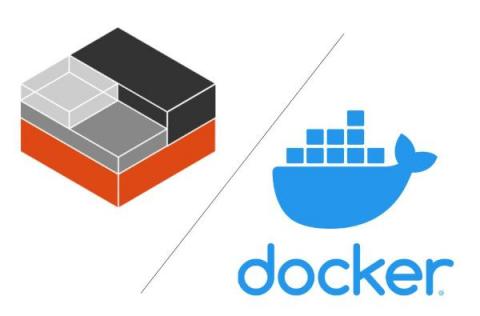
When talking about containers, a common confusion for potential users of LXD is that LXD is an alternative to Docker or Kubernetes. However, LXD and Docker are not competing container technologies, and they tend to serve completely different purposes. In this blog, we’ll briefly discuss the differences and the suitable use cases for both.
Having multiple environments that can be dynamically configured has become akin to modern software development. This is especially true in an enterprise context where the software release cycles typically consist of separate compute environments like dev, stage and production. These environments are usually distinguished by data that drives the specific behavior of the application.